
Technical specification, stage 1 of 5
A software technical specification *you can build from, budget against and own.*
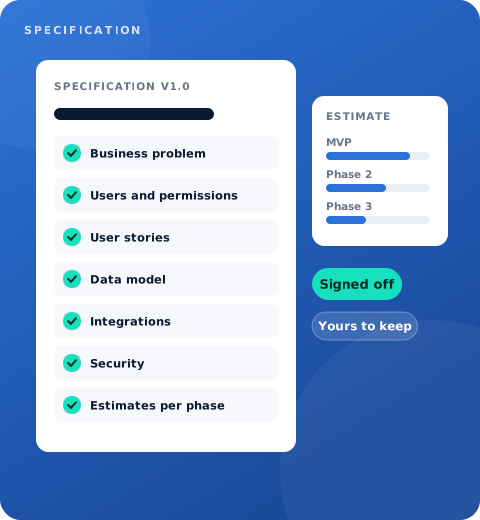
The specification is the cheapest insurance a project can buy. It sets out what the software must do, who it is for, what data it holds and what it connects to, so every estimate, design decision and line of code traces back to something you have agreed.
Software, in numbers
£196K
Of new business won from 21 jobs
GME Group
3
Audience routes: agencies, businesses and investors
Luciqo
12+
Client organisations now on the platform
ProAstra
101
Enquiries recorded since April
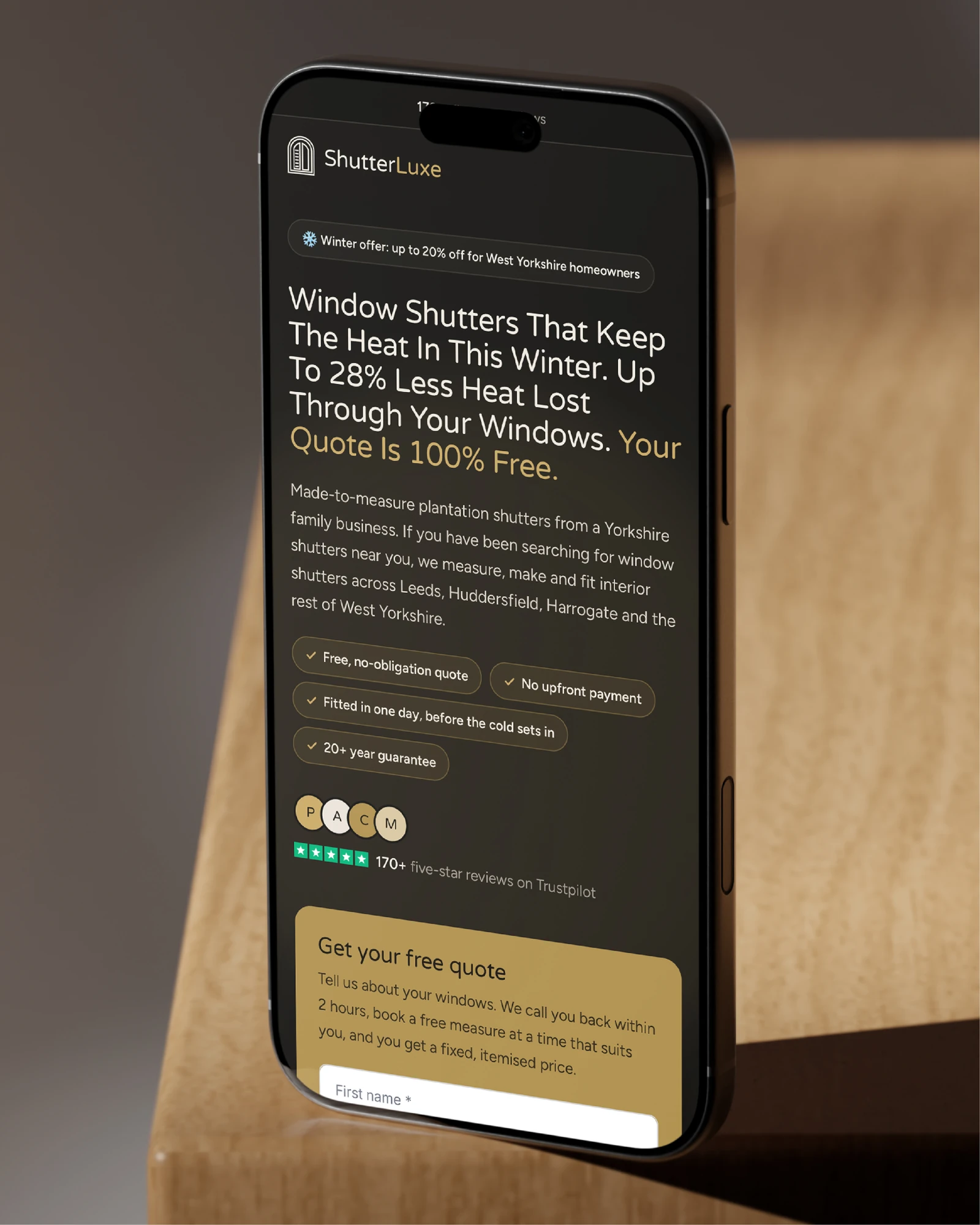
ShutterLuxe
60+
Retailers, restaurants and venues given a proper home online
The Marlowes
26.5%
More purchases in the three months after relaunch, year on year
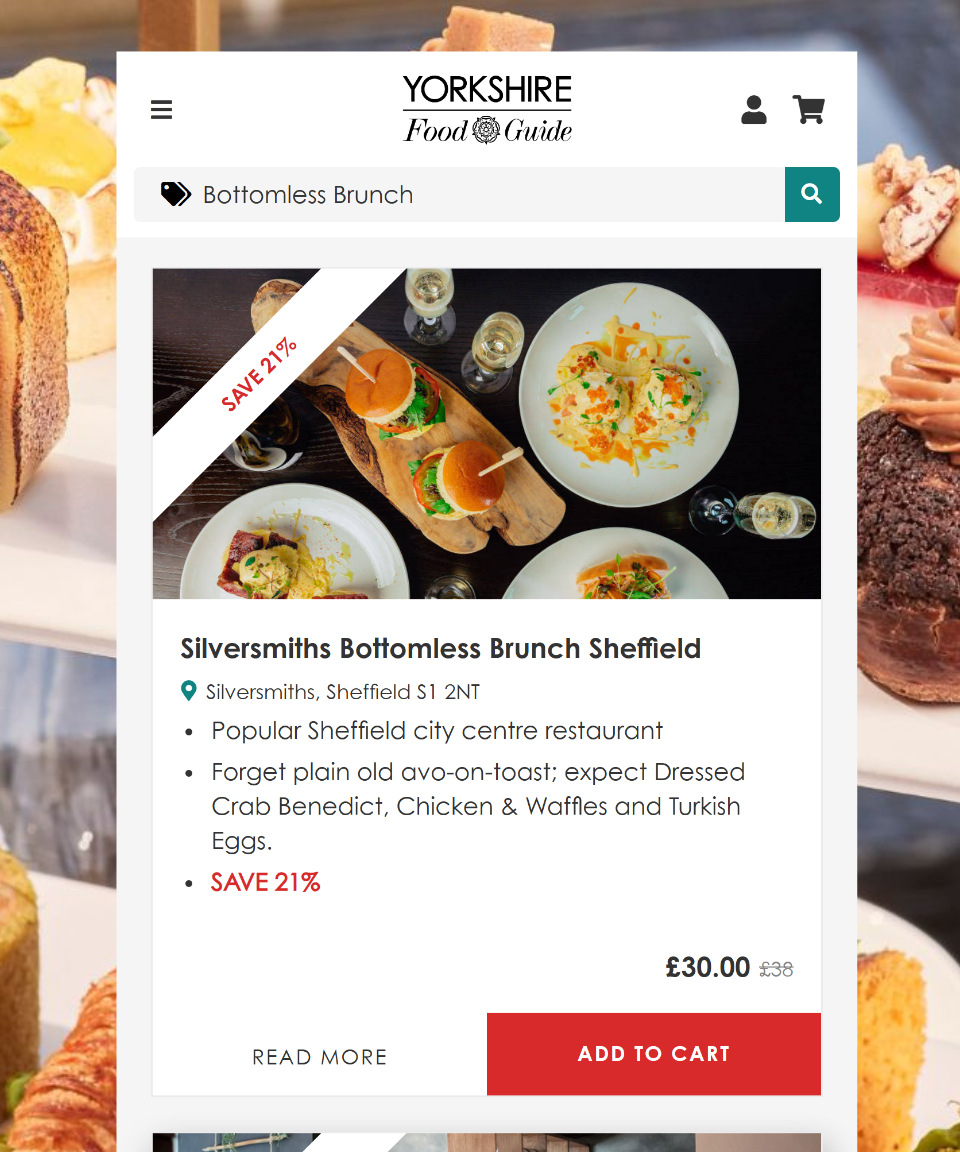
Yorkshire Food Guide
5
Automated email flows, from welcome series to referral offer
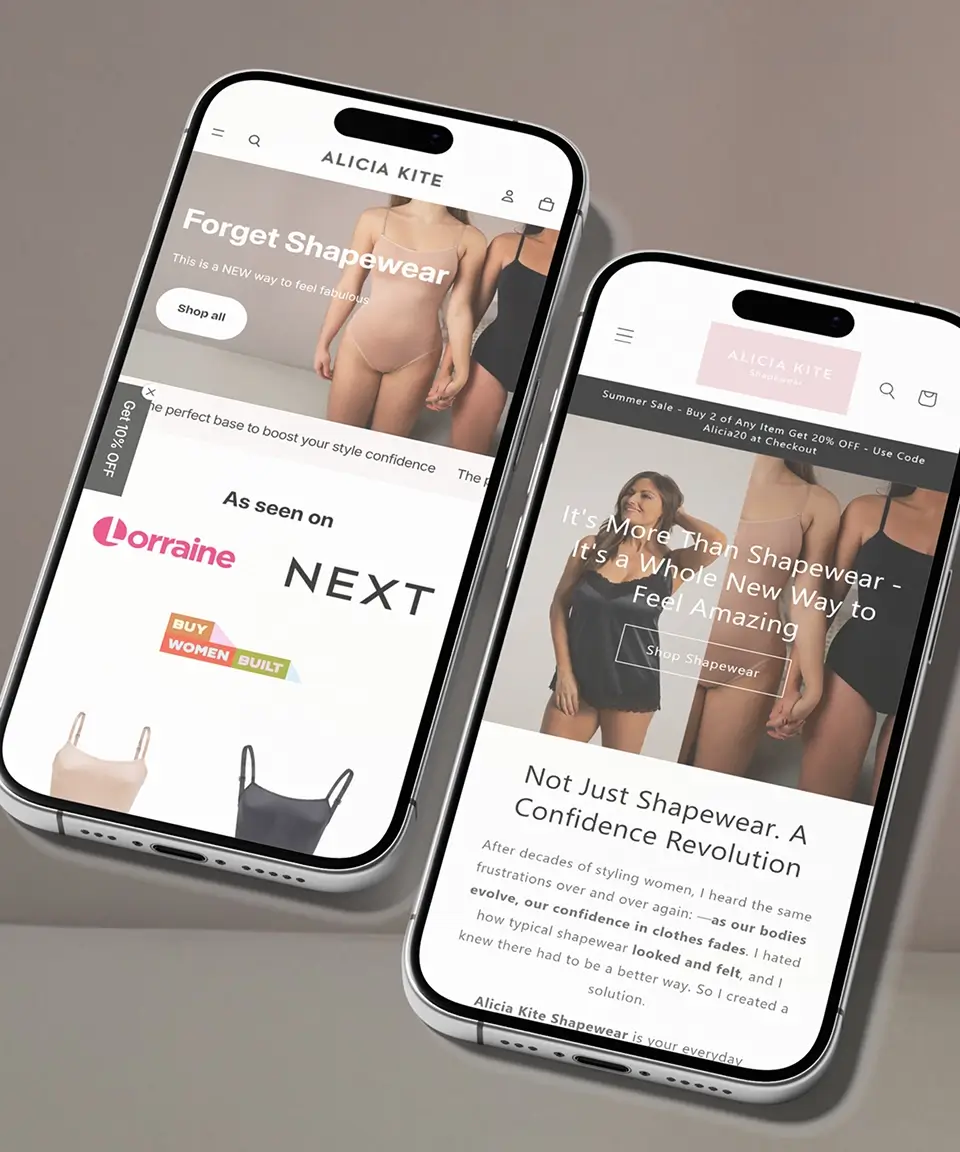
Alicia Kite
1.1M
Sessions from 100 countries
Goldsboro Books
3
Audiences, each with its own route through the site
Leeds Law Society
50K+
Customer accounts with one place for fleet tools
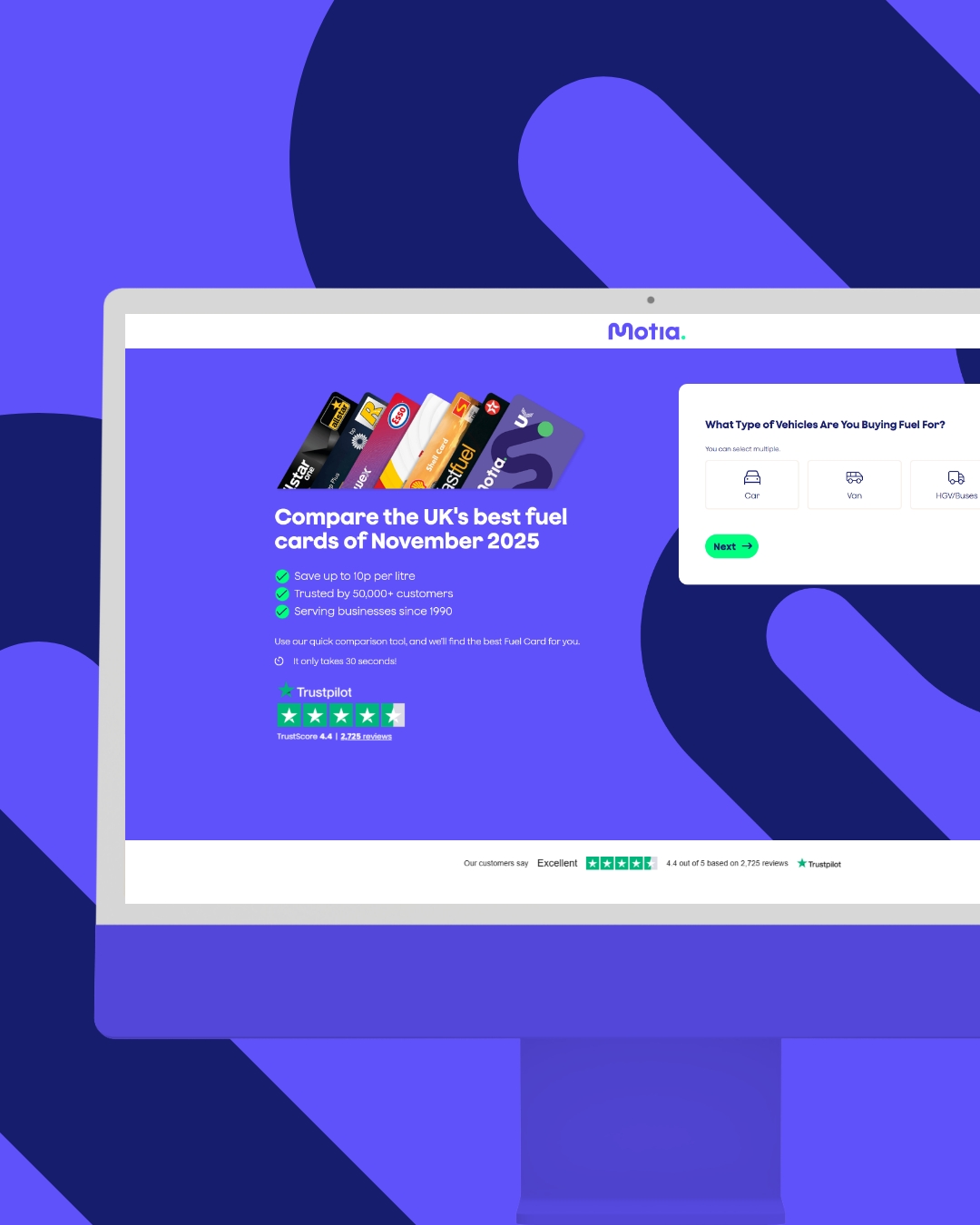
Motia
655K
Impressions
The Ice Co
10-year-old
Site replaced with a modern Webflow build
Yorkshire Laser
56%
More visits from organic search, year on year
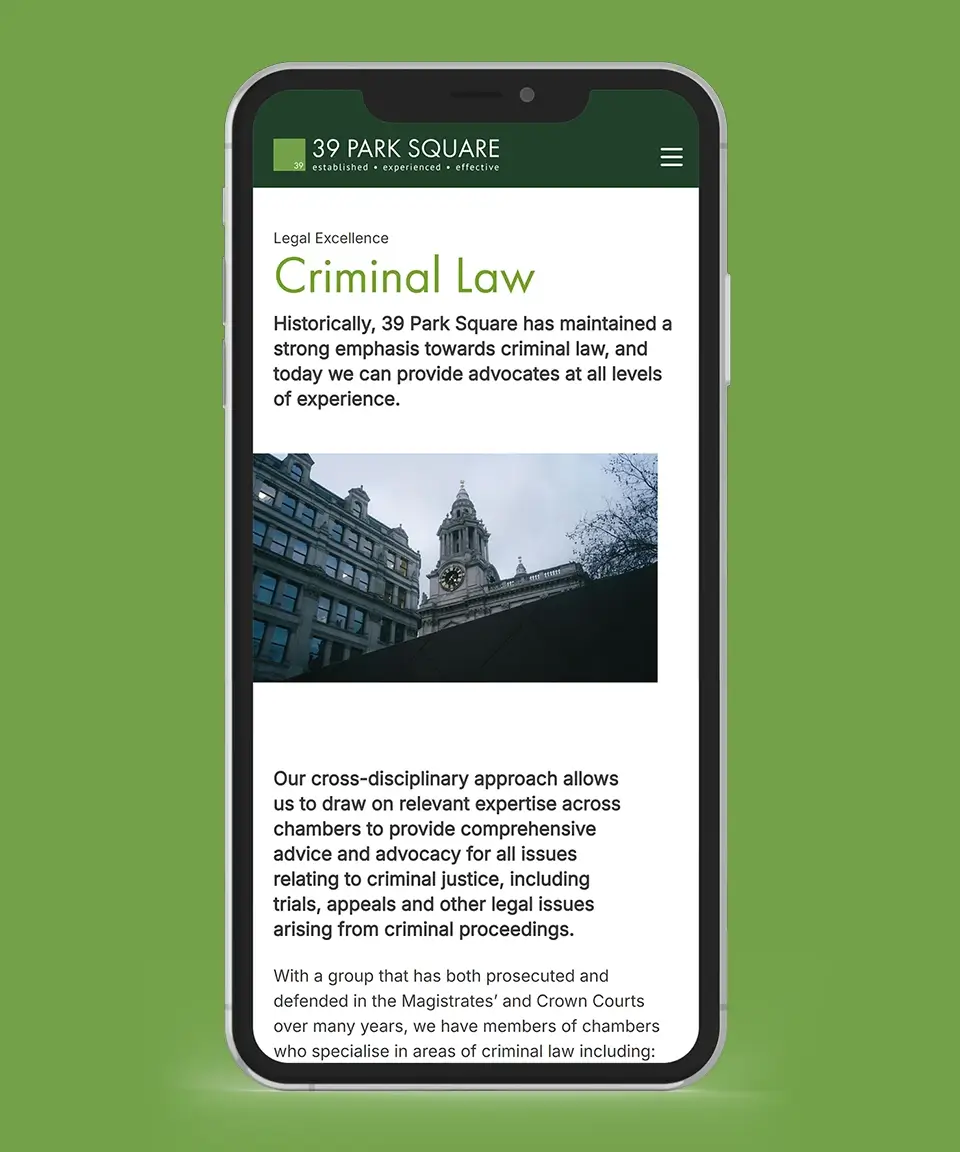
39 Park Square
19%
Uplift from navigation redesign
ASHI Group Limited
68%
Increase in revenue
Clocking Systems
12 weeks
From wireframes to launch
D55
1251%
ROI from email marketing
Deal4Doors
97%
Increase in conversions
HQ Dental
93%
Increase in organic traffic
Leon & Company
267%
Growth in revenue
Luxe by She
94.4%
Increase in organic traffic YoY
Maritime Capital
77%
Increase on YoY traffic
Melissa Salons
4
#1 keyword rankings
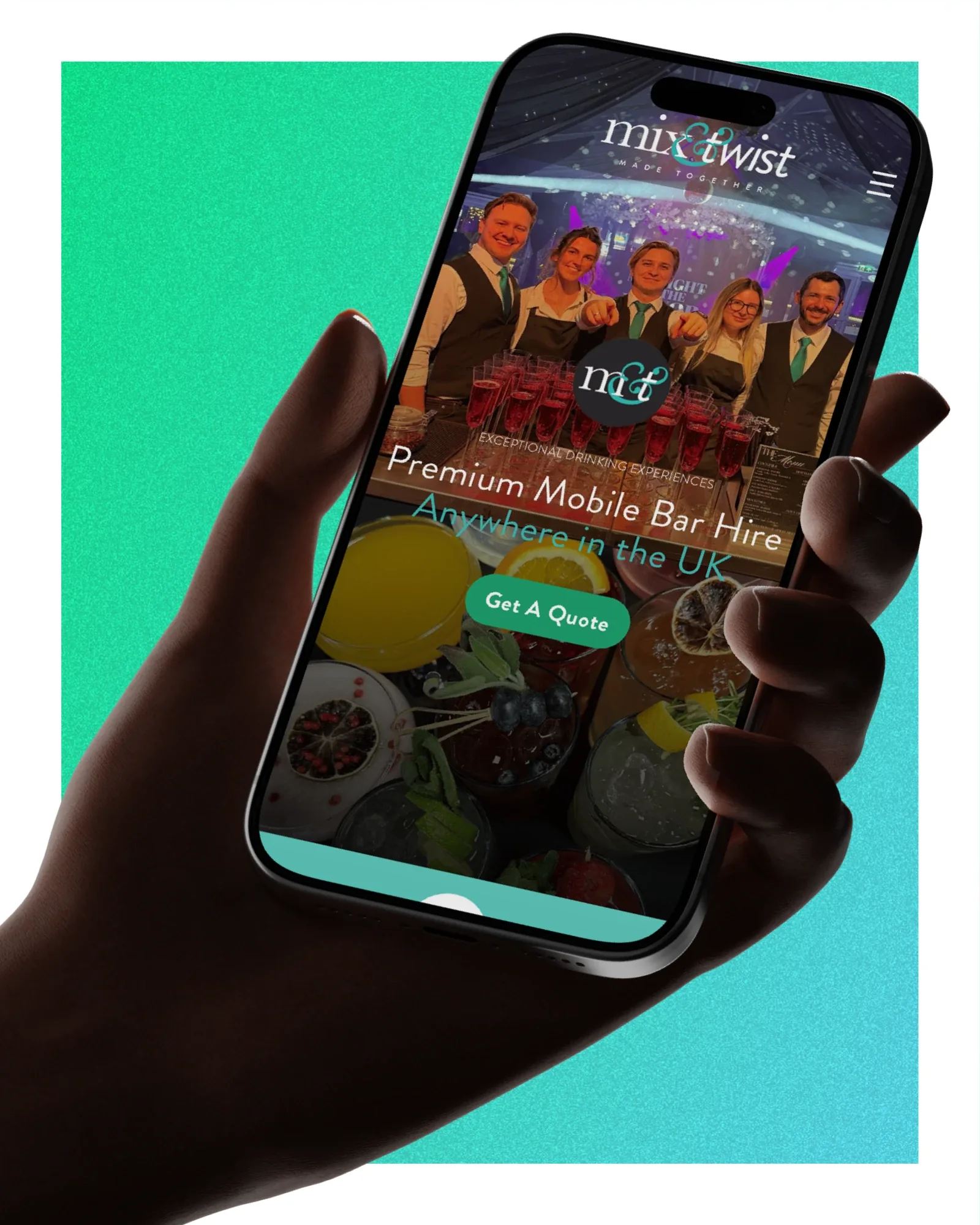
Mix & Twist
6 weeks
For the Shopify website to be developed
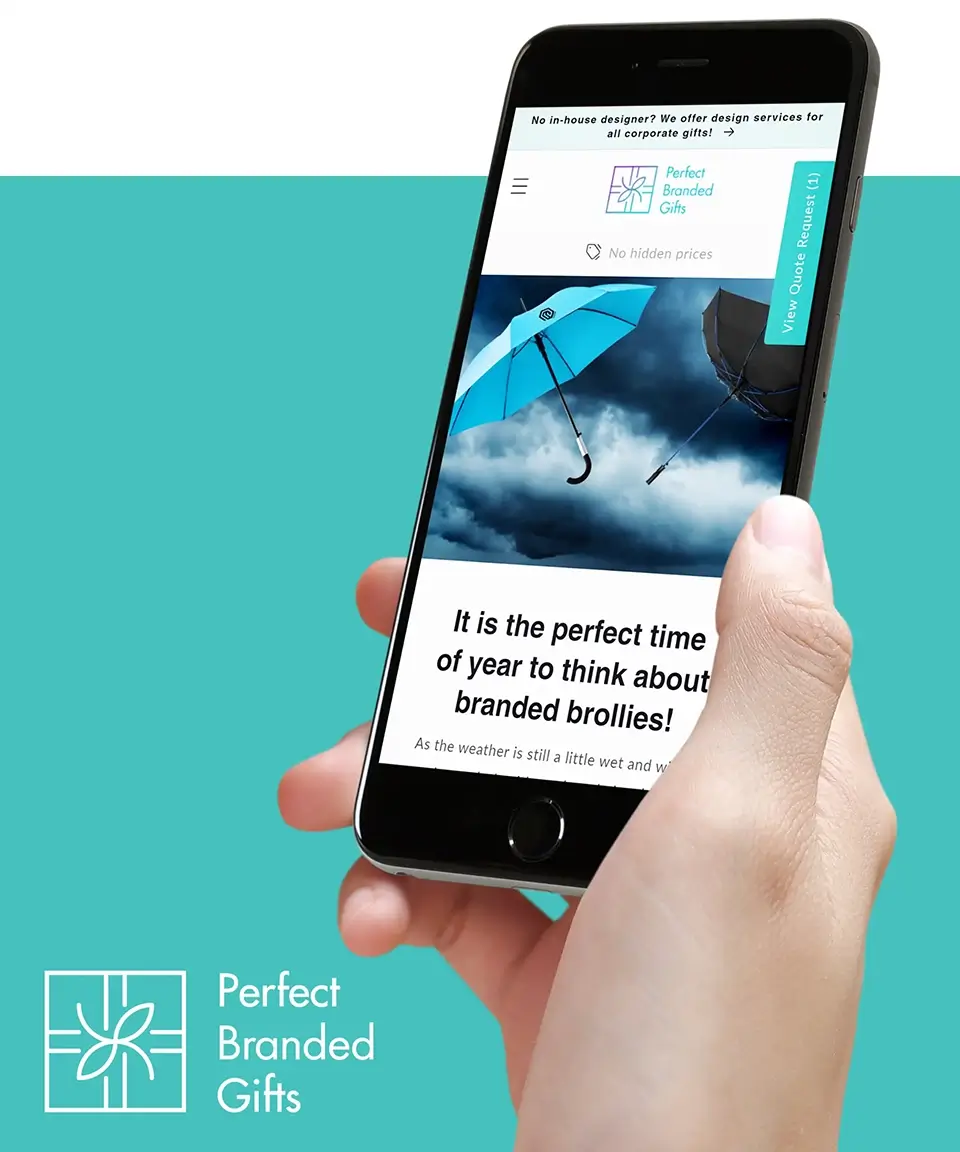
Perfect Branded Gifts
18.7%
Increase in visibility
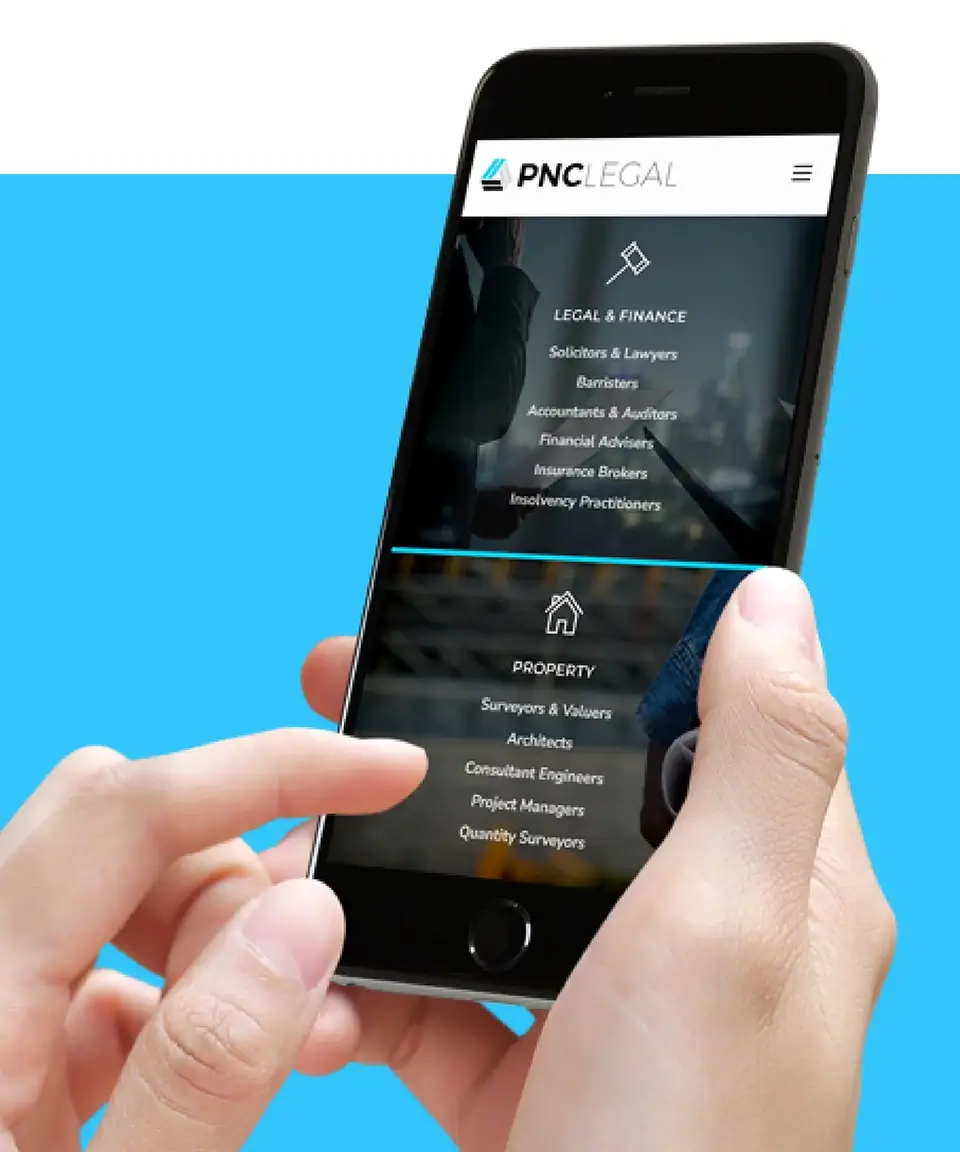
PNC Legal
100%
Improvement in email automations
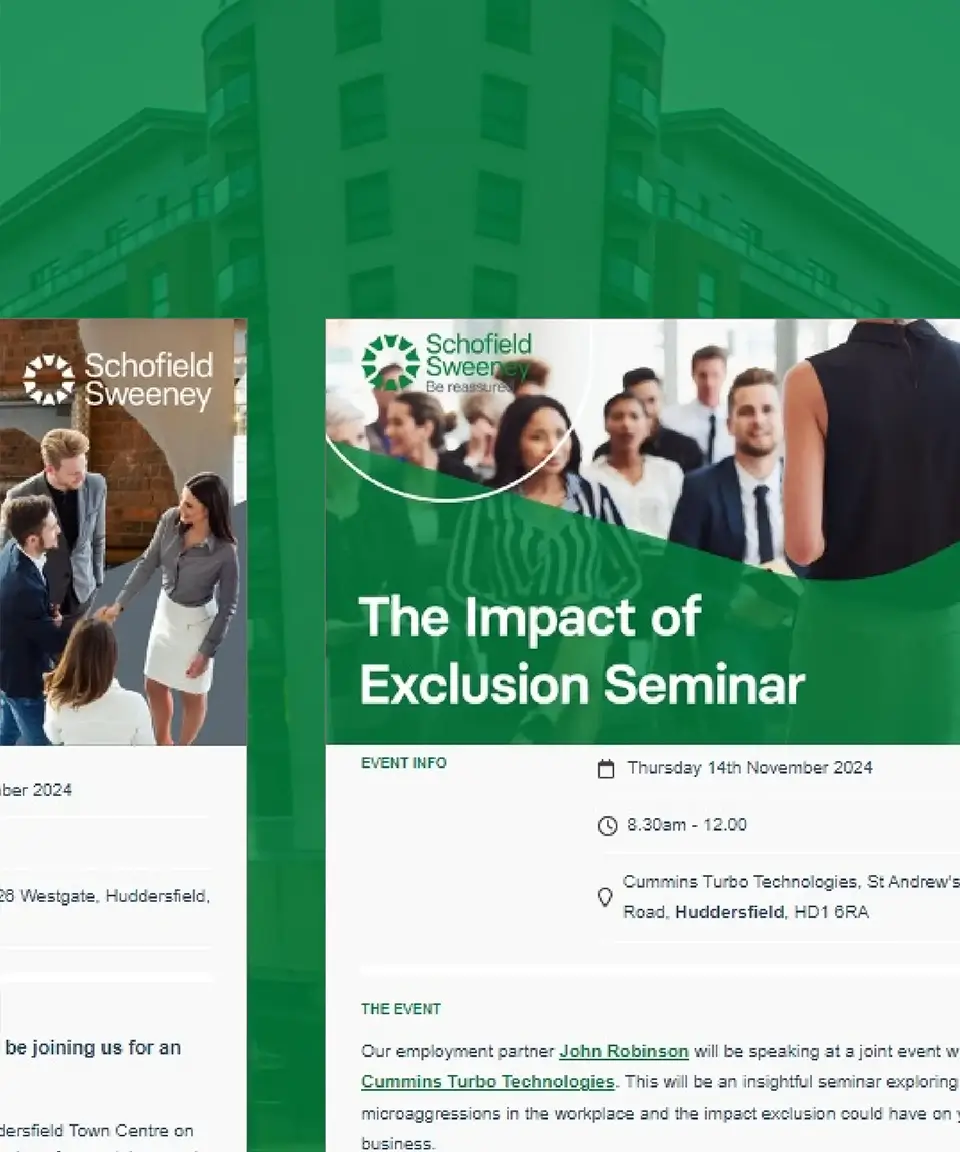
Schofield Sweeney
9
Data accounts migrated seamlessly
Sustrans
20%
Increase in users proceeding to next checkout stage
YESSS Electrical
33%
Monthly ad spend reduction
YESSS Electrical
51.8%
Increase in conversions
Z2 Engineering
9
Countries using the app
Gripple
571%
Conversion rate increase on Book A Demo page
Radar Healthcare
84K
Web app sessions recorded in Google Analytics
Temp Rewards
100%
Successful order captures
Delifresh
100%
Bespoke solution
JCT600 VLS
1,800%
ROI
Raithwaite Sandsend
100%
Bespoke trade functionality
Magnet Kitchens
1.13M
Ad impressions
Tekla
Projects that skip this stage *pay for it later.*
They pay in rework, scope disputes and features nobody asked for.
The specification is a defined piece of work, and the document belongs to you. Most clients go on to build with us, but you are free to take it to tender or to an in-house team.

Figma

Teamwork

- Scope disputes halfway through a build
- Estimates nobody can trace back to a requirement
- Security treated as a test at the end
- Features nobody asked for
Three steps, *from first workshop to a signed-off scope.*
Workshops with your team
The right people in the room
We run workshops with the people who will own, use and support the software, capturing the users, the jobs they need to do, the data involved and the systems it has to connect to.
Written for two audiences
Plain English first
We write in plain English first, with the technical detail layered underneath for developers, so a managing director can sign off the scope while a lead engineer plans the build from the same document.
Security named up front
Sign-in, encryption, backups, access and UK GDPR are written into the specification, not left as a test at the end.
Estimated and phased
An estimate for each phase
The MVP is separated from later releases, and each phase carries an estimate with its assumptions stated, so you decide what to build and when.
Then prototyping
Once you sign off, the key screens become clickable in the prototyping stage.
Want to see what this could do for your business? Talk to us →
AI speeds up the drafting. *People agree the scope.*
We use AI where it saves time without lowering quality: turning workshop notes into first-draft user stories and checking the specification for gaps. An analyst reviews every line, and you sign off the scope.
- Workshop notes turned into first-draft user stories, then reviewed and rewritten by an analyst
- The specification checked for gaps, contradictions and missing acceptance criteria
- Diagrams of data and user journeys drafted faster
- You sign off every requirement before any build budget is committed
What goes into *the specification.*
Everything a developer needs, in a form your team can read
The business problem
The outcome the software needs to deliver, with measures of success.
Users and permissions
User types, their permissions and the tasks each one needs to complete.
Functional requirements
Written as user stories with acceptance criteria.
The data model
What is stored, where it comes from and who owns it.
Integrations
Connections to HubSpot, Xero, Shopify or internal databases.
Non-functional requirements
Security, performance, hosting, accessibility and compliance.
Phased delivery plan
The MVP separated from later releases.
Estimates
An estimate for each phase, with the assumptions behind it stated.
Not sure what the software should cover?
If you are not yet sure which processes the software should cover, System Design is the better starting point. It maps how work moves through your business before anything is specified.
Software we have built, *for clients like you.*







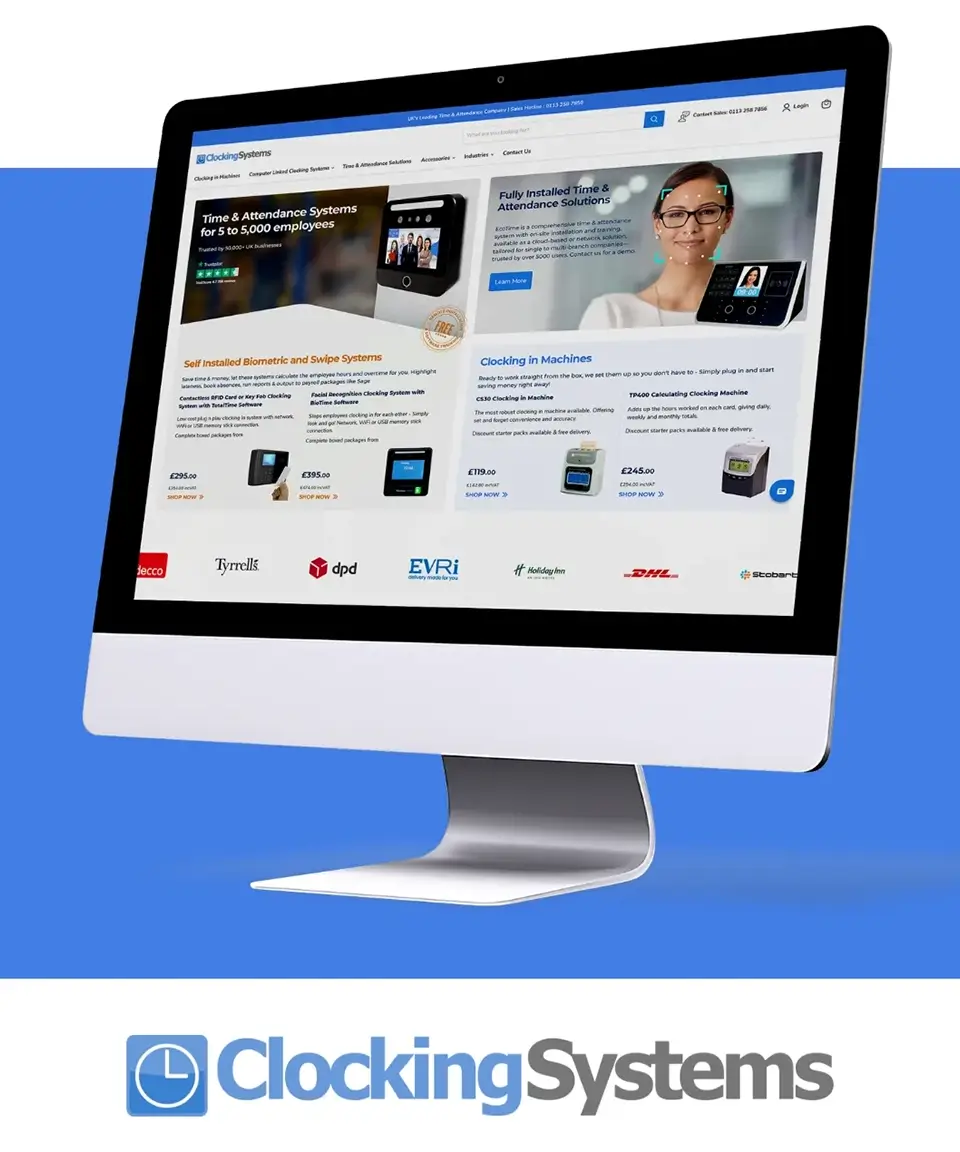
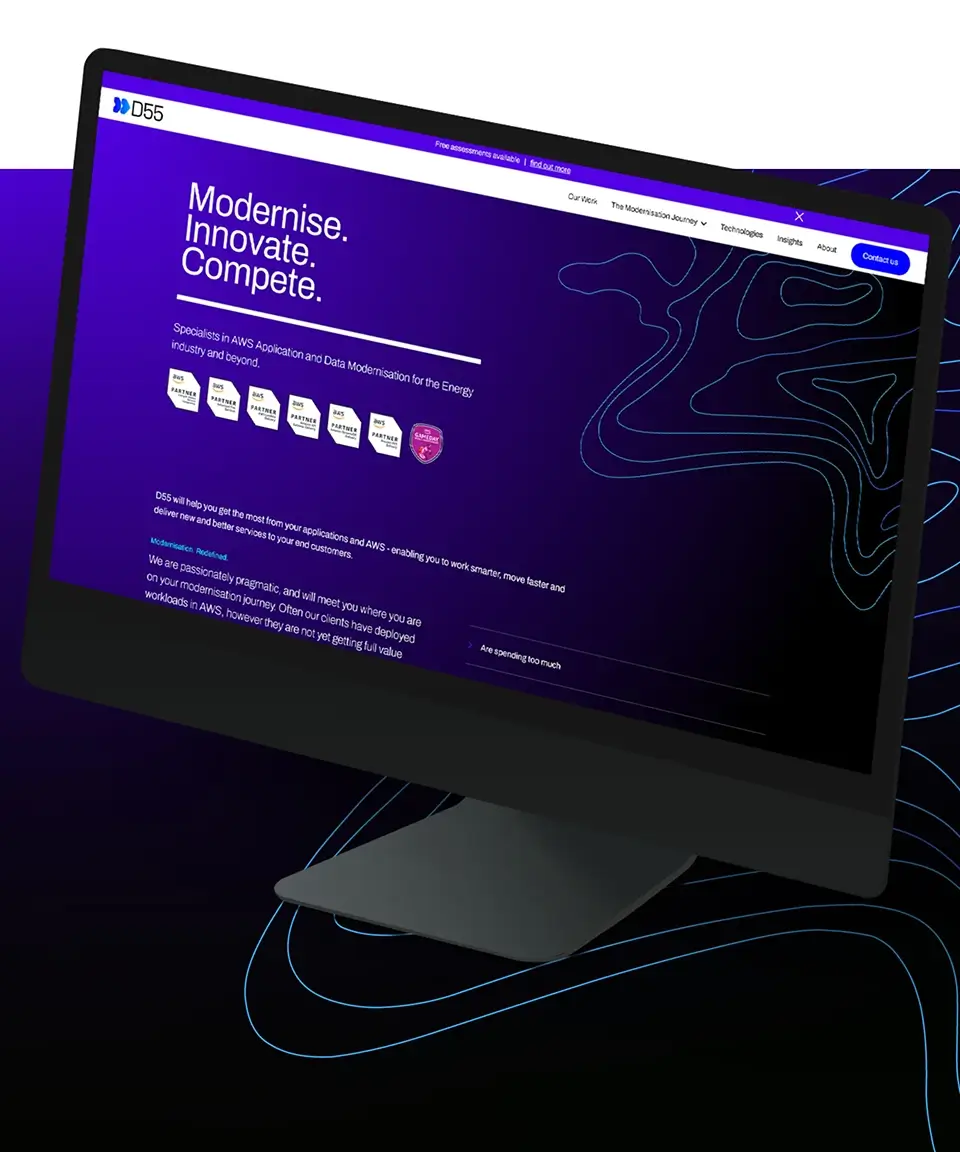

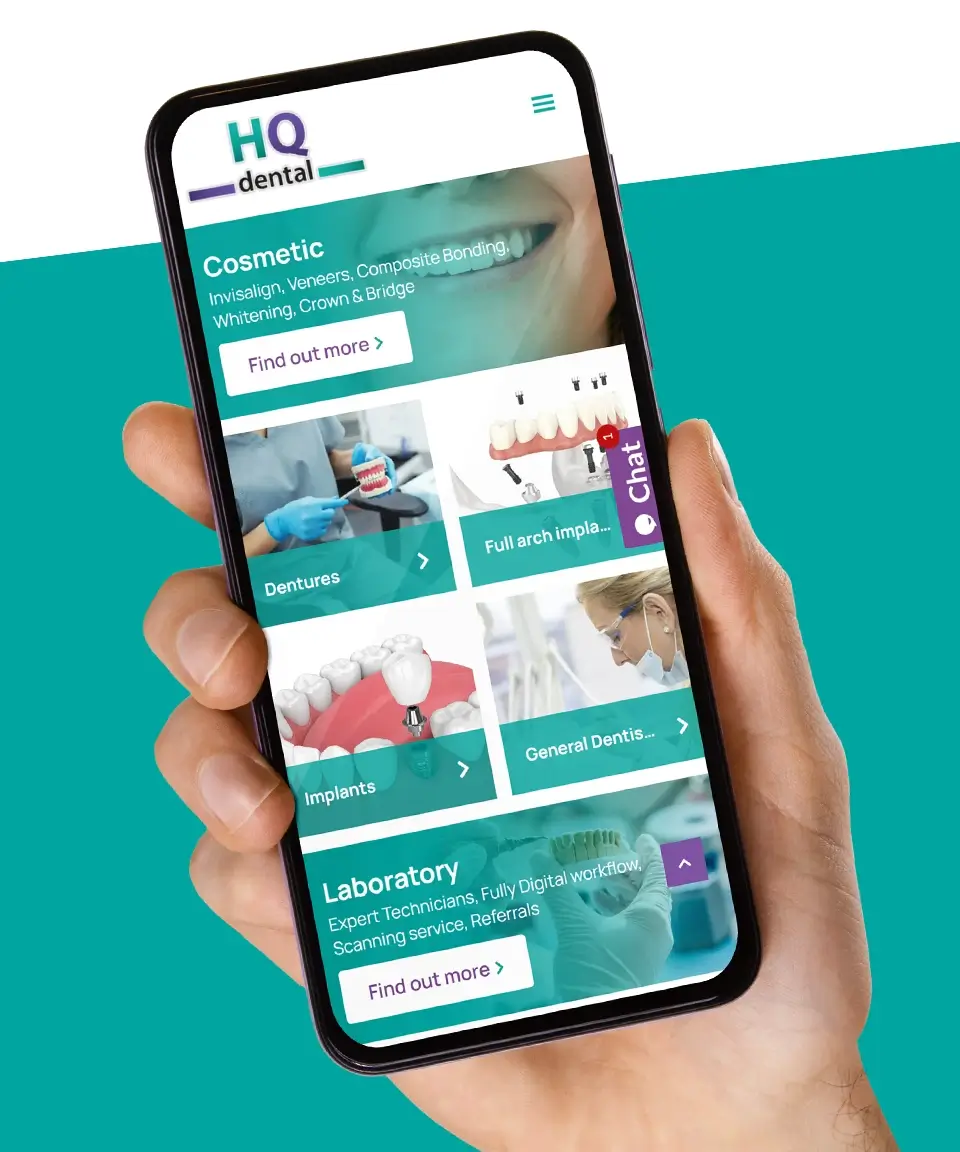


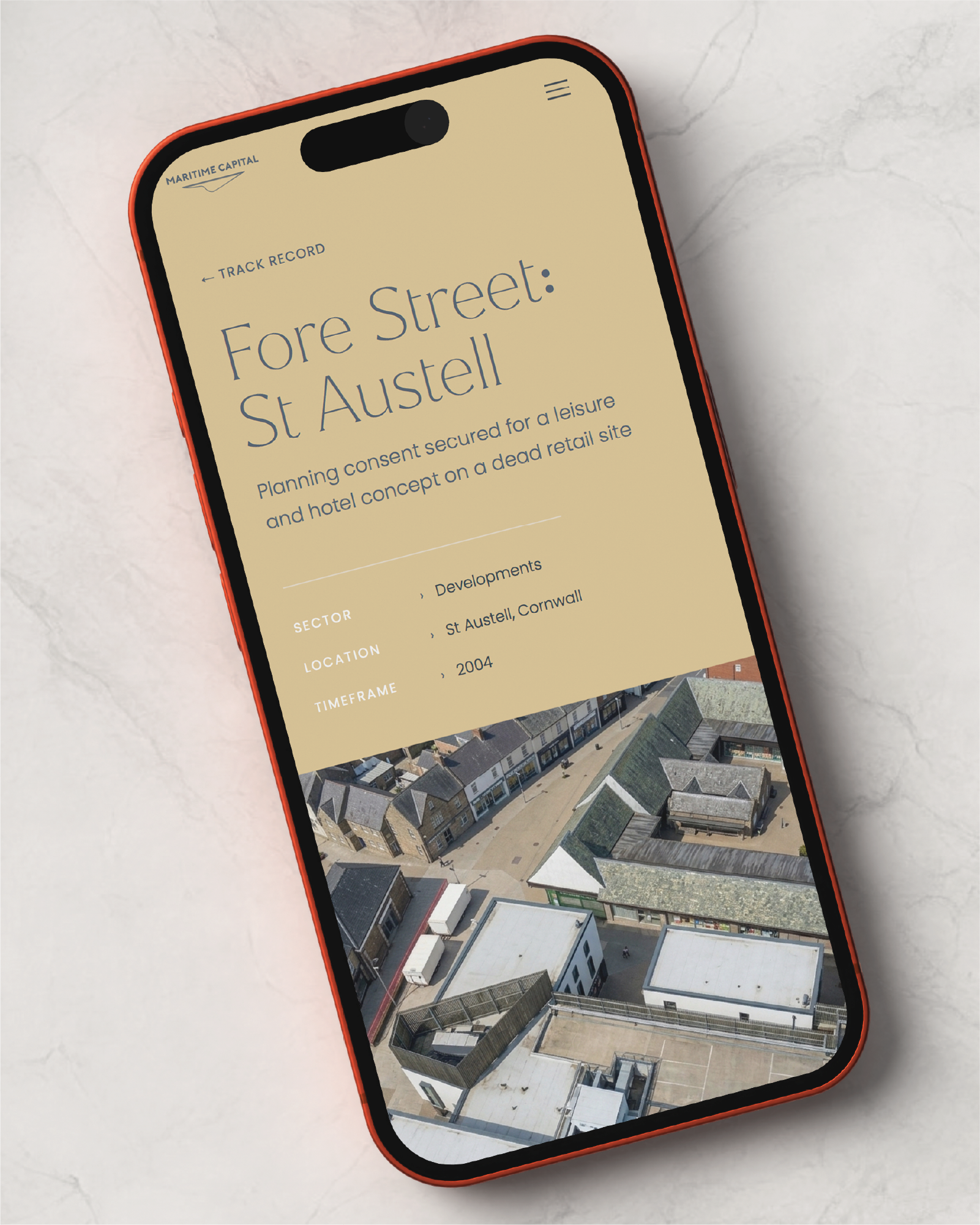

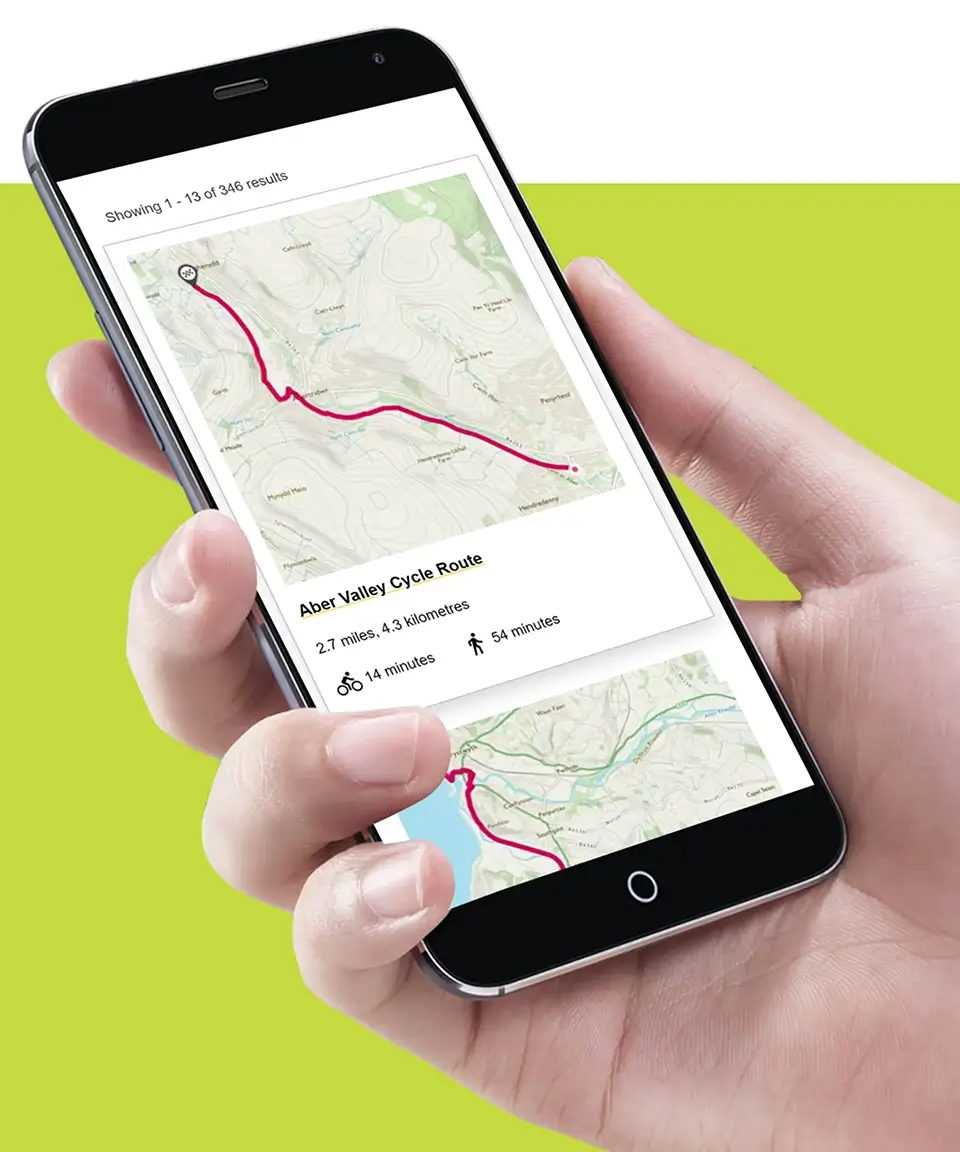

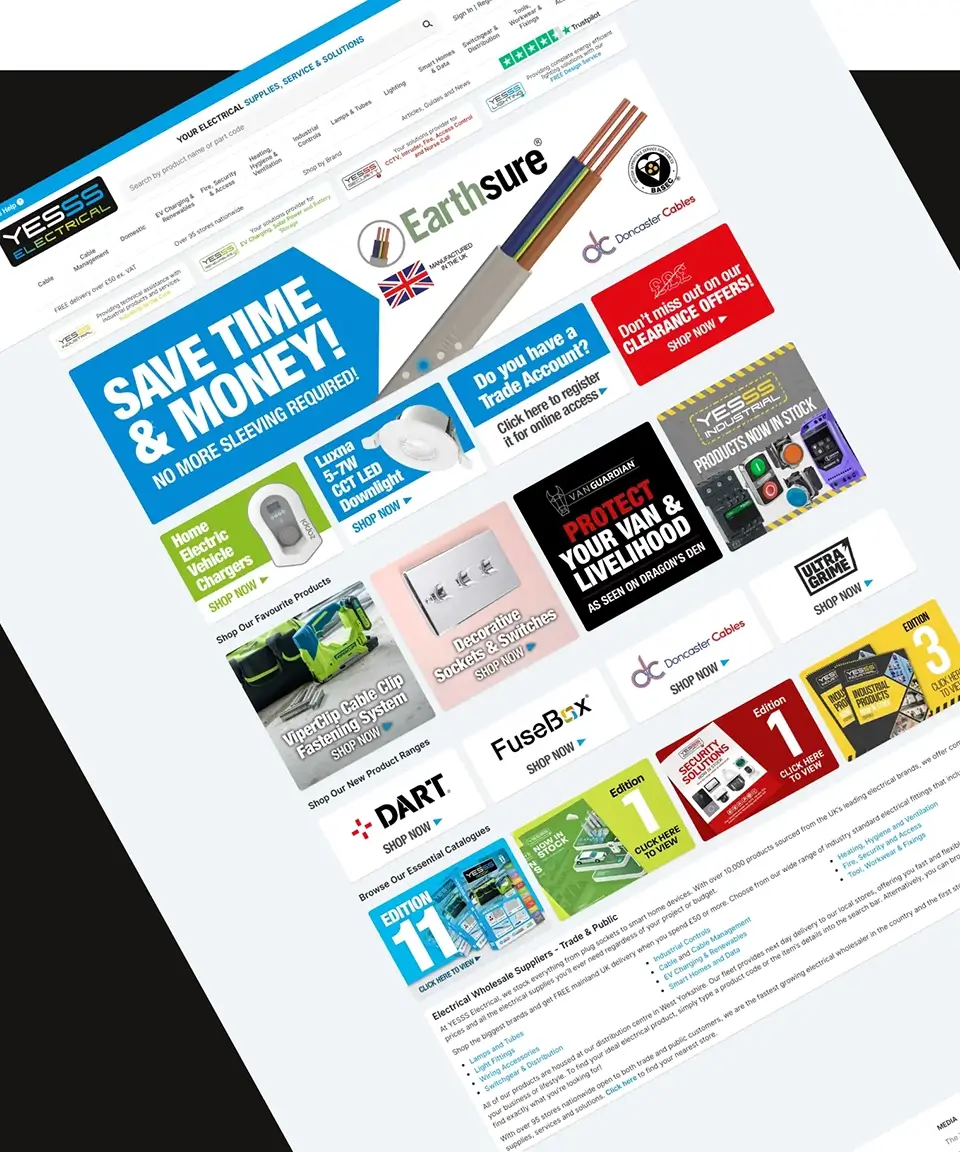
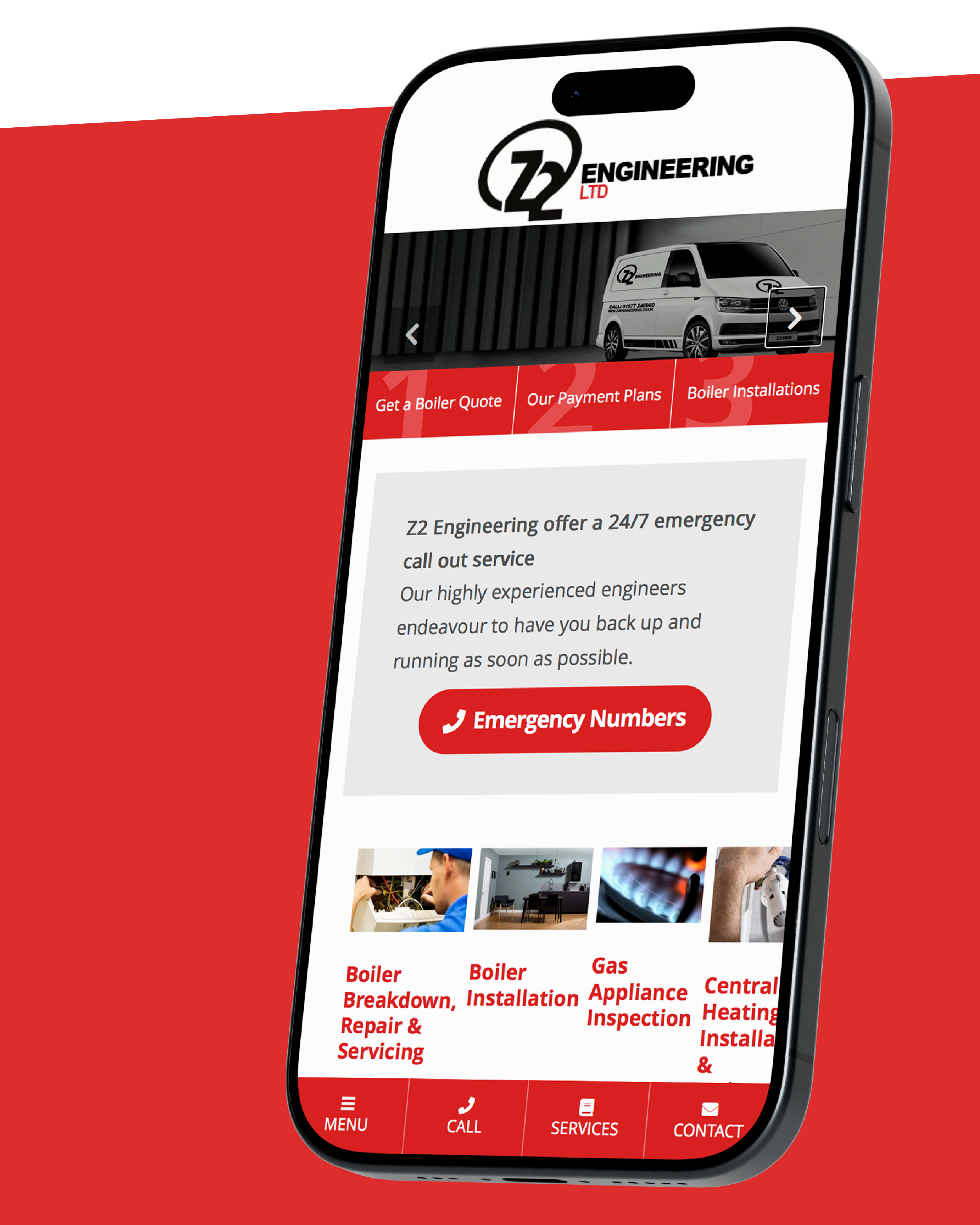
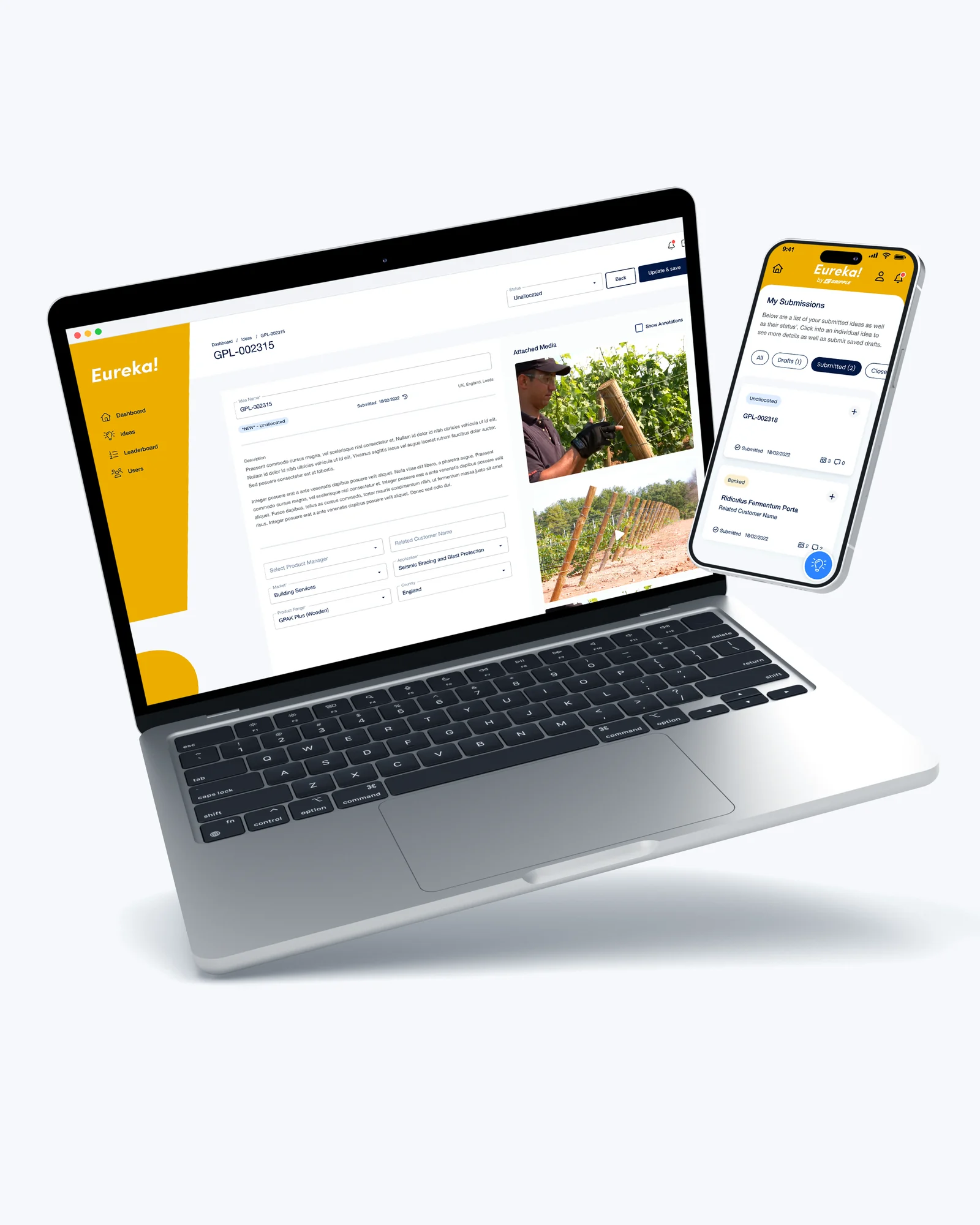
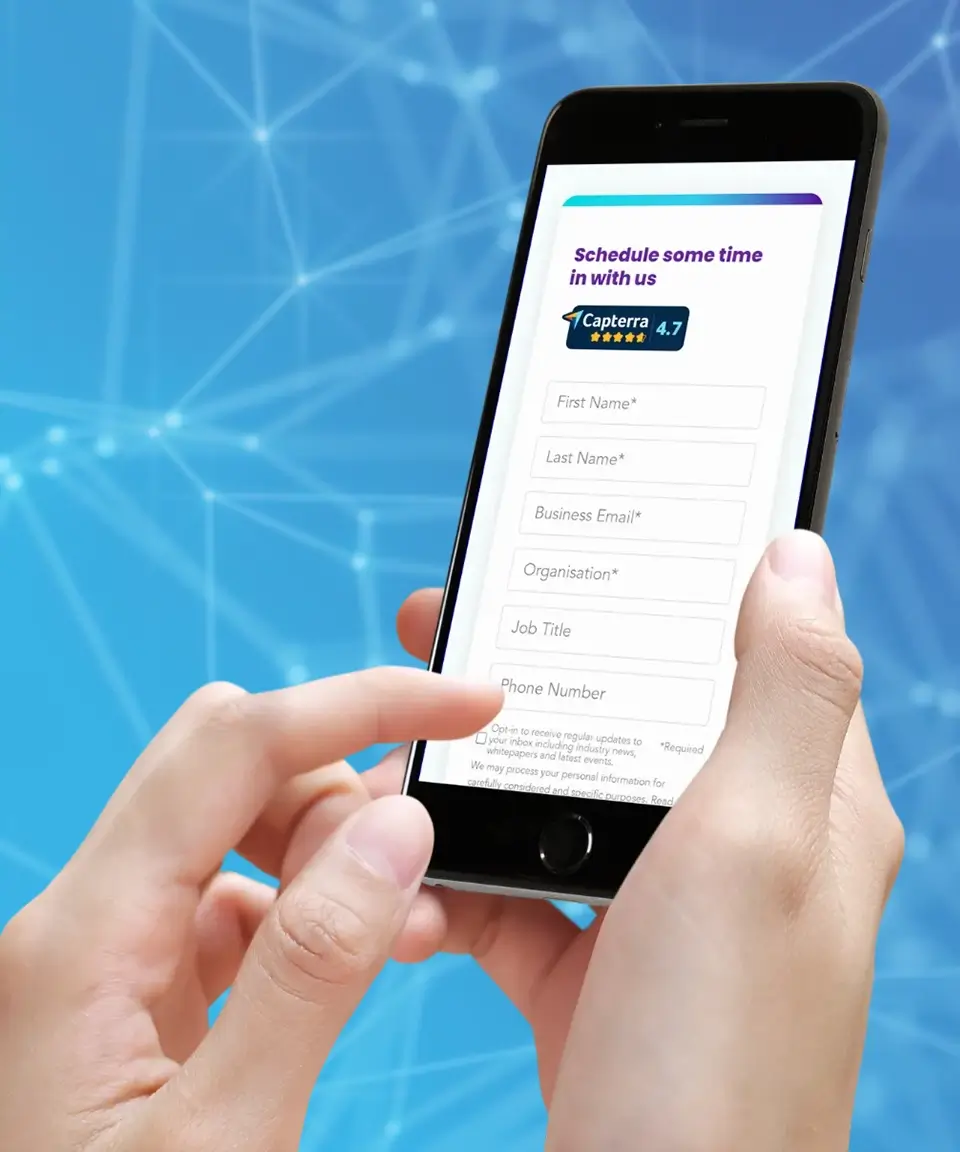
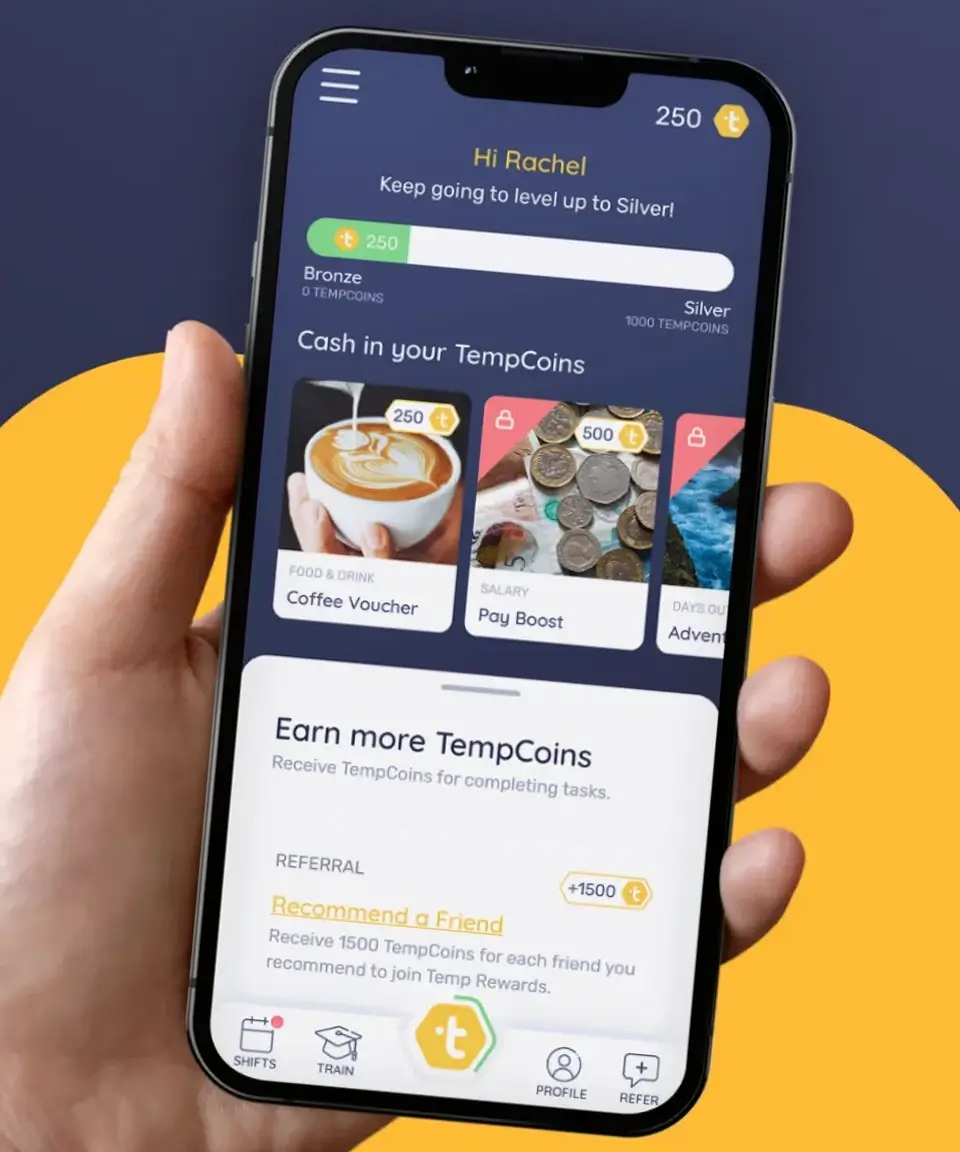
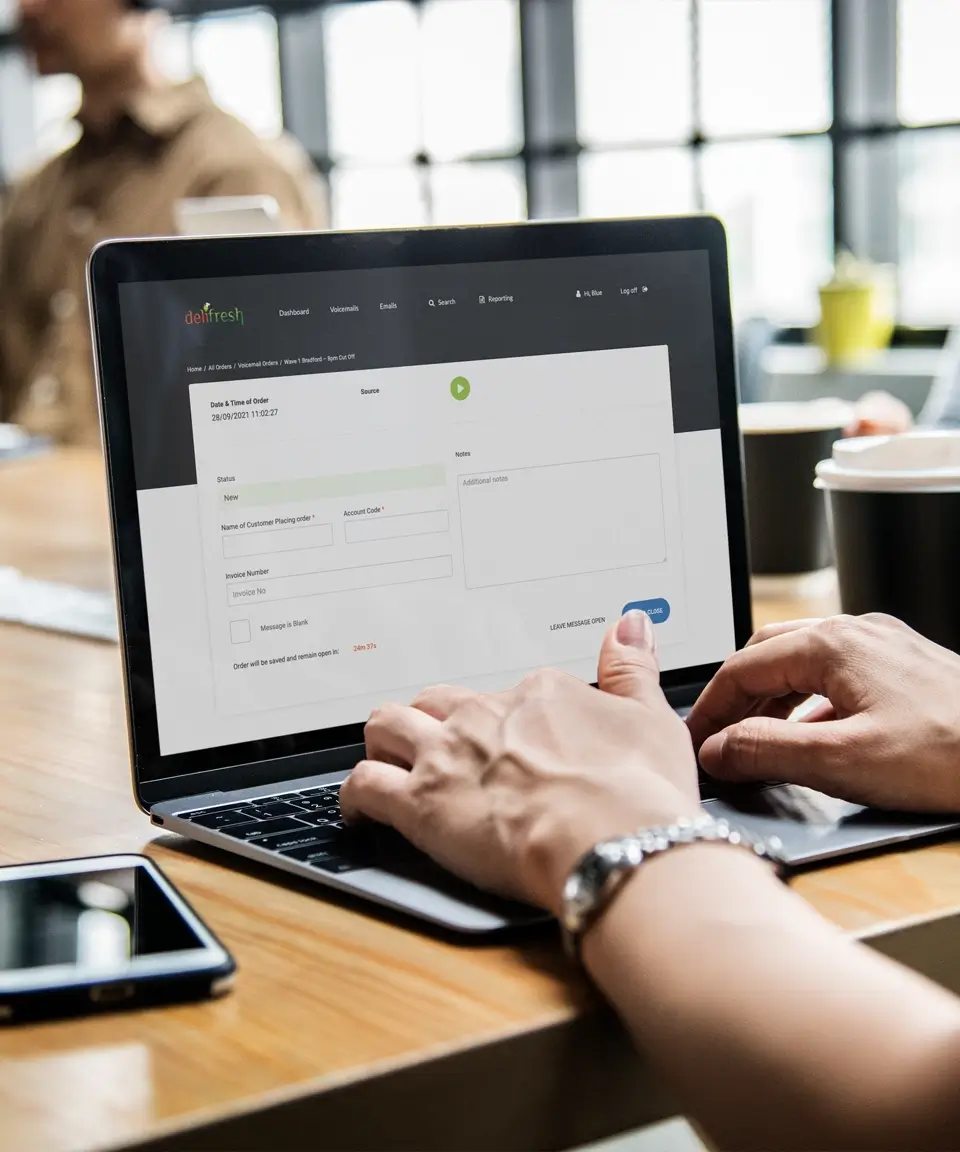
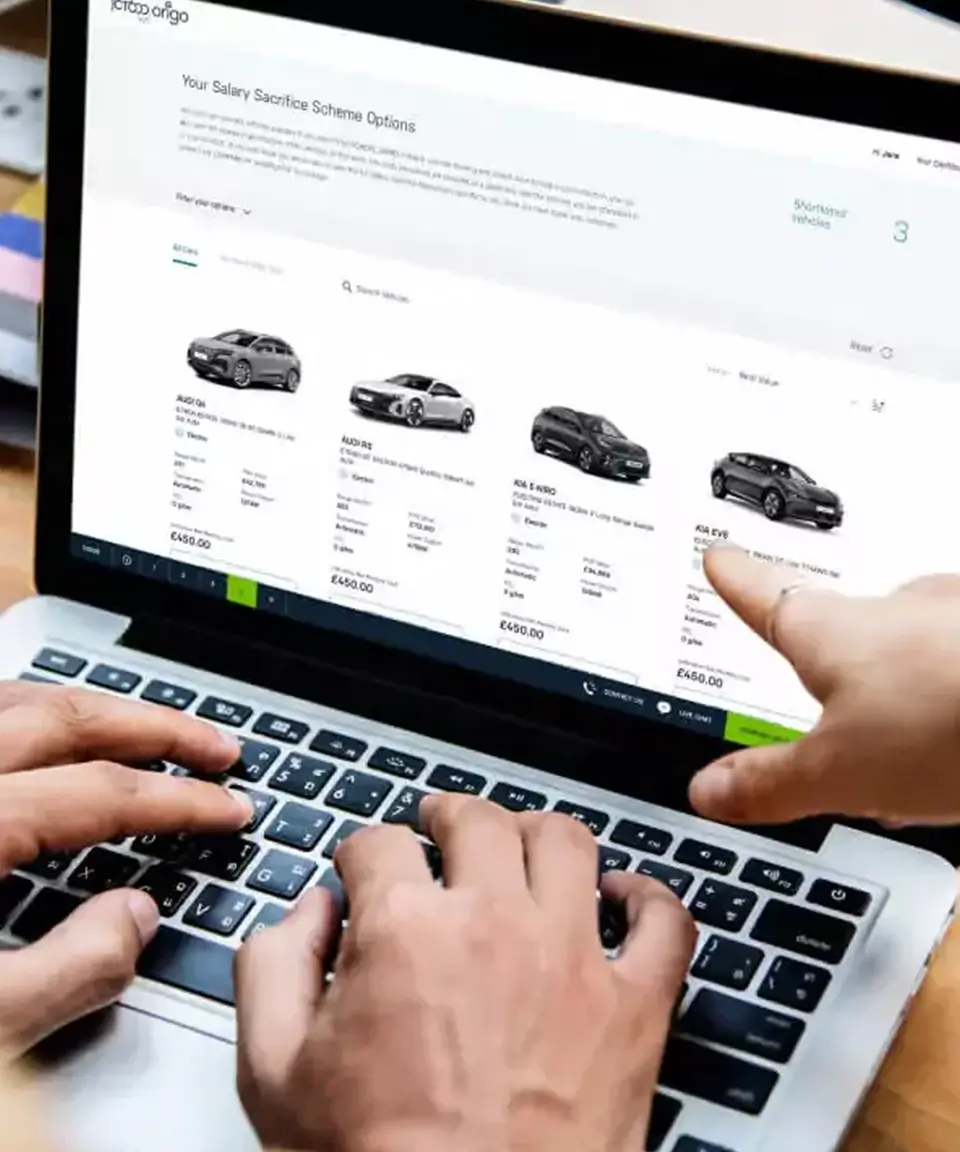

This was a complex project for our global business, it required detailed planning and specification and encompassed an app, a desktop app and a dashboard, Ascensor didn’t fail to deliver and it’s working really well in our business.

Elliott Kirk
Director
Gripple
What you get
Intro
What you get *from the specification.* A document you can build from and own. 1 | Signed-off specification | Plain English on top, technical detail underneath, with diagrams of data and user journeys. Per phase | Estimates with assumptions | So you decide what to build and when. Yours | To keep | Take it to tender, to an in-house team, or build it with us.
Common questions *about technical specifications.*
Not seeing your question? Tell us what you are trying to achieve and we will tell you how we would approach it.
What goes into a technical specification?
Everything a developer needs, in a form your team can read: the business problem and measures of success, users and permissions, functional requirements written as user stories with acceptance criteria, the data model, integrations, non-functional requirements such as security and hosting, a phased delivery plan and an estimate for each phase with its assumptions stated.
Can we take the specification to another developer?
Yes. The specification is a defined piece of work and the document belongs to you. Most clients go on to build with us, but you're free to take it to tender or hand it to an in-house team. It's written so a lead engineer can plan the build directly from it.
Will a non-technical director understand the document?
Yes. We write in plain English first, with the technical detail layered underneath for developers, so a managing director can sign off the scope while a lead engineer plans from the same document. Diagrams of data and user journeys make the more complex parts easier to follow.
How does a specification help us control the budget?
Each phase carries an estimate with its assumptions stated, and the MVP is separated from later releases, so you decide what to build and when. Because every estimate and design decision traces back to a requirement you've agreed, there's far less room for scope disputes or features nobody asked for once the build starts.
How is system design different from a technical specification?
System design looks across the whole business: how work moves, which tool owns which data and where the gaps are. A technical specification goes deep on one piece of software that needs building. If the design shows a gap no existing product can fill, that gap becomes the starting point for a specification.
Talk to us
A few details is enough to start. We will reply to say how we would approach it.
Prefer to call? 0113 831 4400
Thanks, we have your enquiry.
One of our specialists will reply to say how we would approach it. Want to talk sooner? Call 0113 831 4400.
Works well alongside.
- Software development process Five stages, each ending with something you sign off.
- Software prototyping Clickable screens your users test before any code is written.
- MVP development The core of your product, live with real users and built to grow.
- System design Map how work moves through your business before anything is built.


