
Business system design
Business system design that *joins up your CRM, finance and delivery.*
Good business system design starts with a simple question: where does your data get typed twice? We design the system that closes those gaps, so every record is created once and flows to wherever it's needed.
System design, in numbers
101
Enquiries recorded since April
ShutterLuxe
51.8%
Increase in conversions
Z2 Engineering
10-year-old
Site replaced with a modern Webflow build
Yorkshire Laser
26.5%
More purchases in the three months after relaunch, year on year
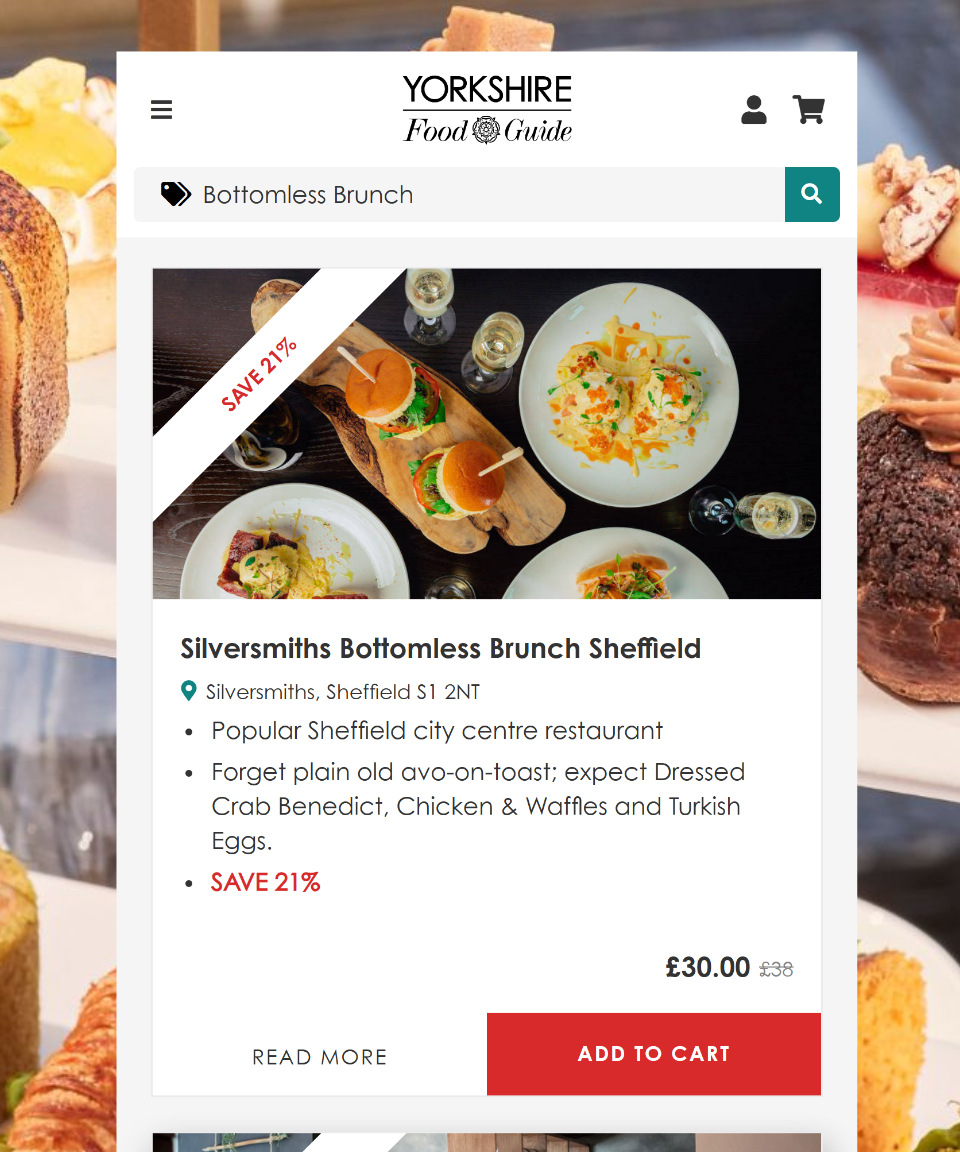
Yorkshire Food Guide
33%
Monthly ad spend reduction
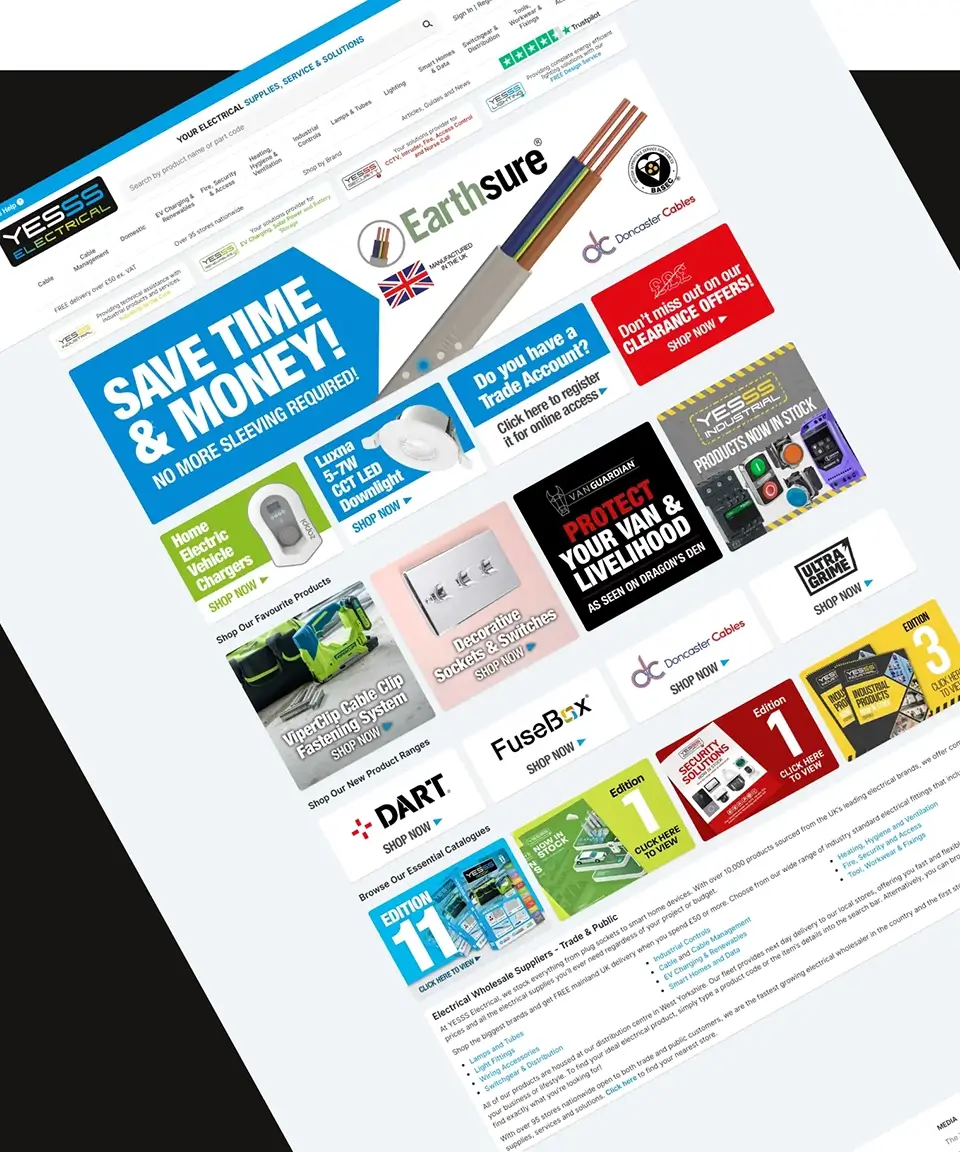
YESSS Electrical
20%
Increase in users proceeding to next checkout stage
YESSS Electrical
60+
Retailers, restaurants and venues given a proper home online
The Marlowes
655K
Impressions
The Ice Co
84K
Web app sessions recorded in Google Analytics
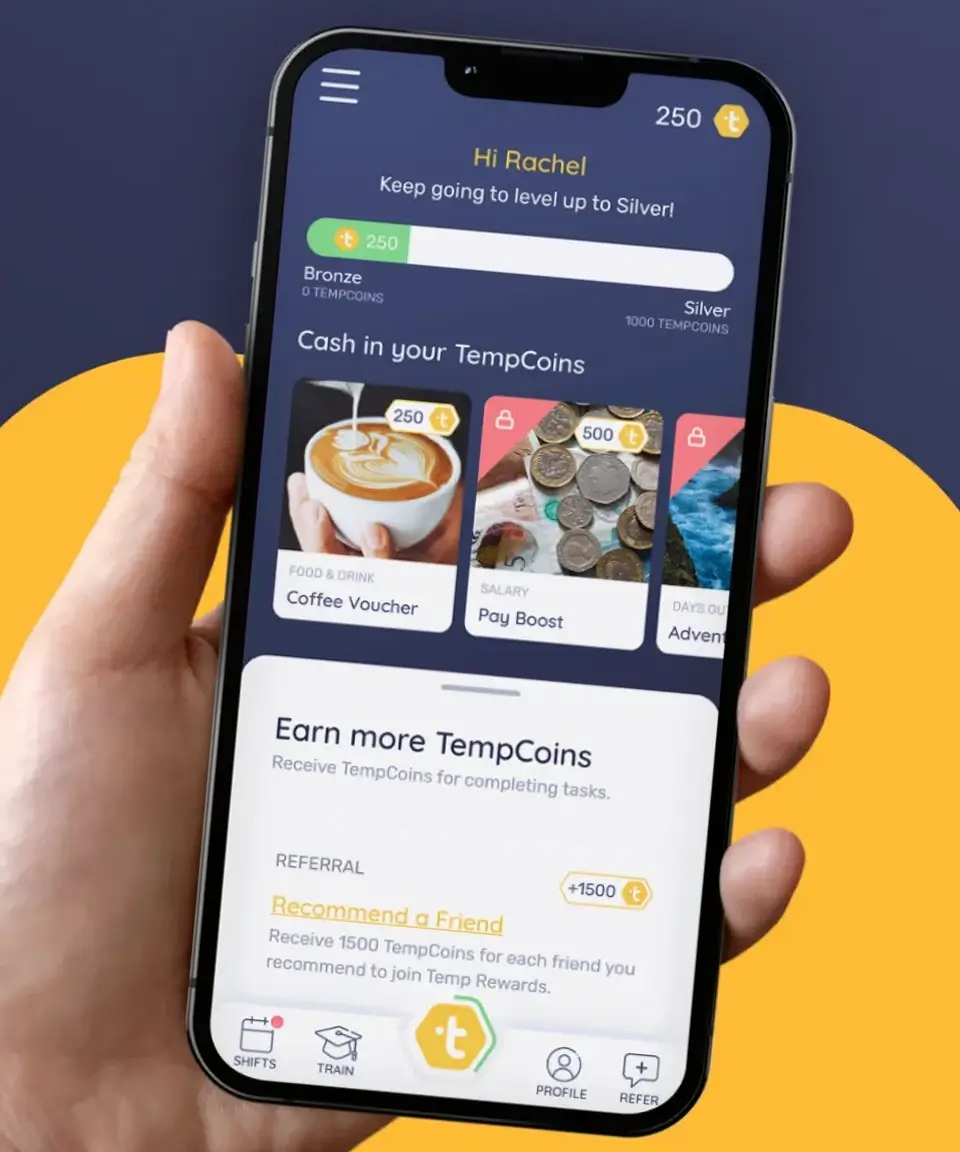
Temp Rewards
1.13M
Ad impressions
Tekla
9
Data accounts migrated seamlessly
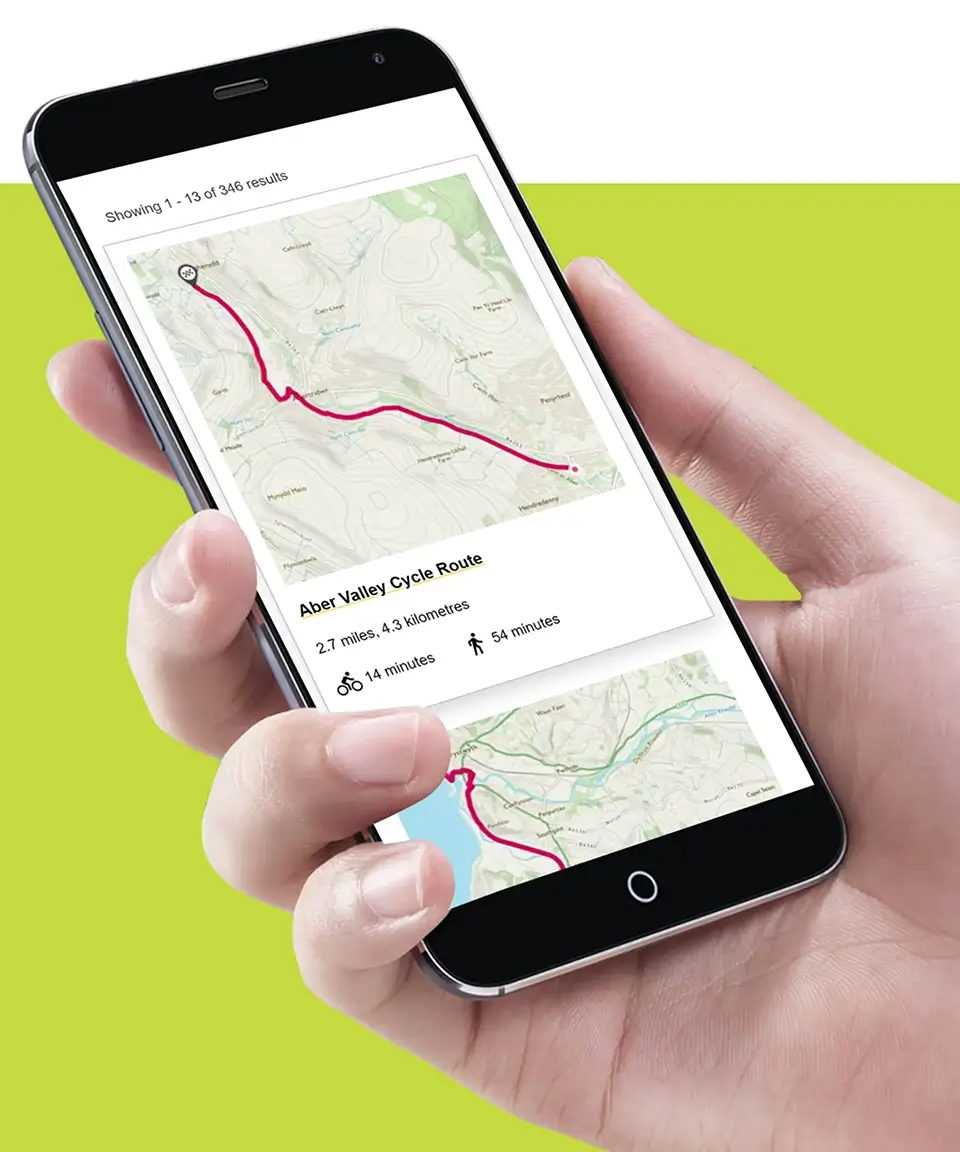
Sustrans
100%
Improvement in email automations
Schofield Sweeney
1,800%
ROI
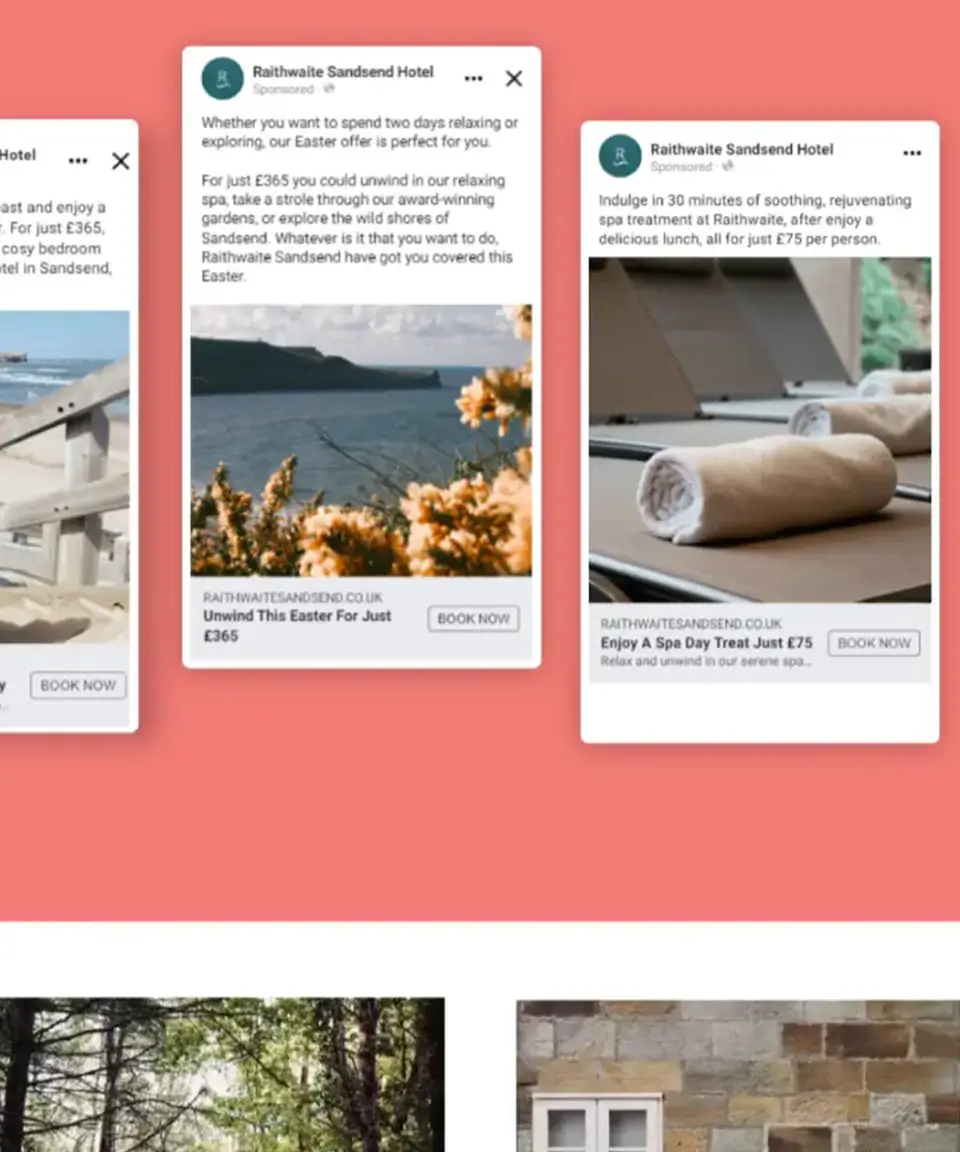
Raithwaite Sandsend
571%
Conversion rate increase on Book A Demo page
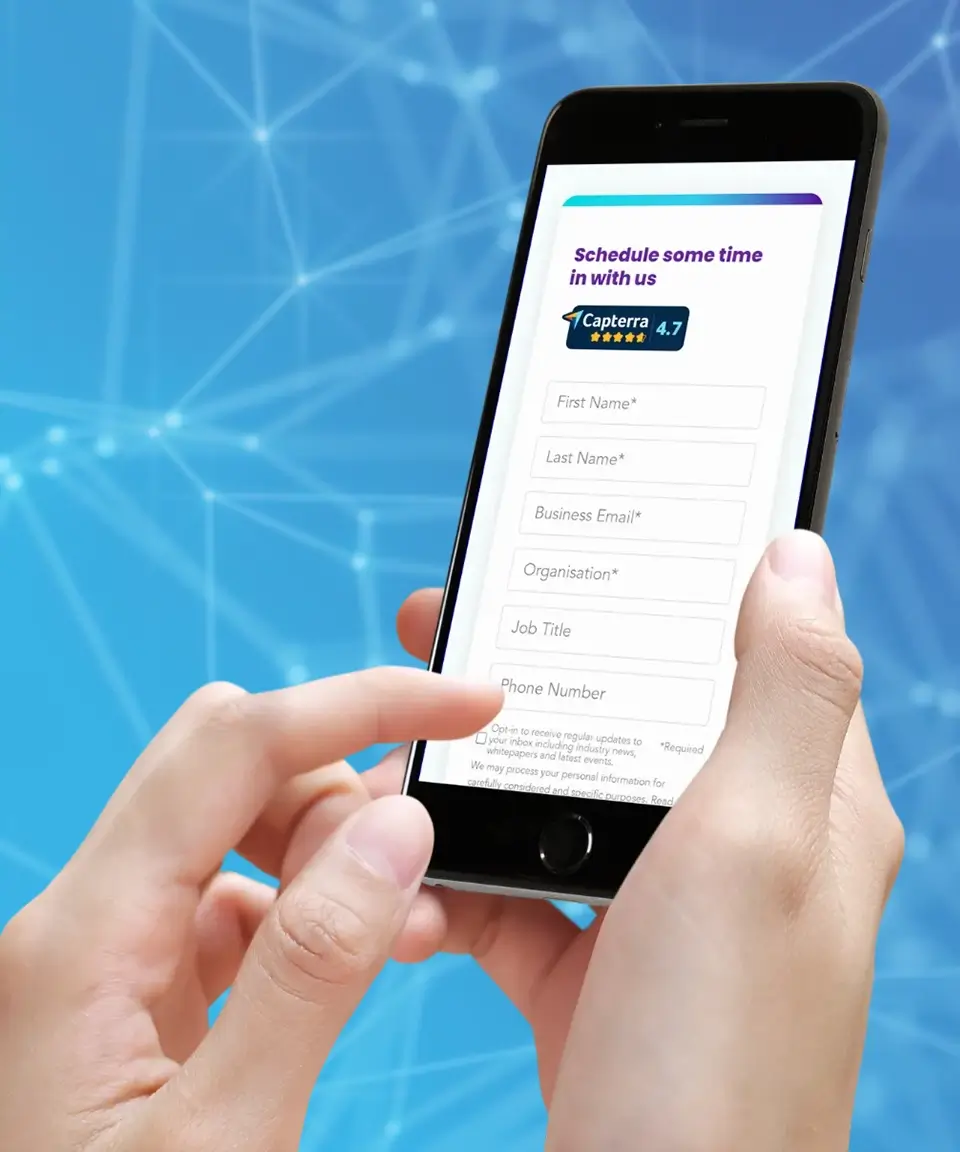
Radar Healthcare
12+
Client organisations now on the platform
ProAstra
18.7%
Increase in visibility
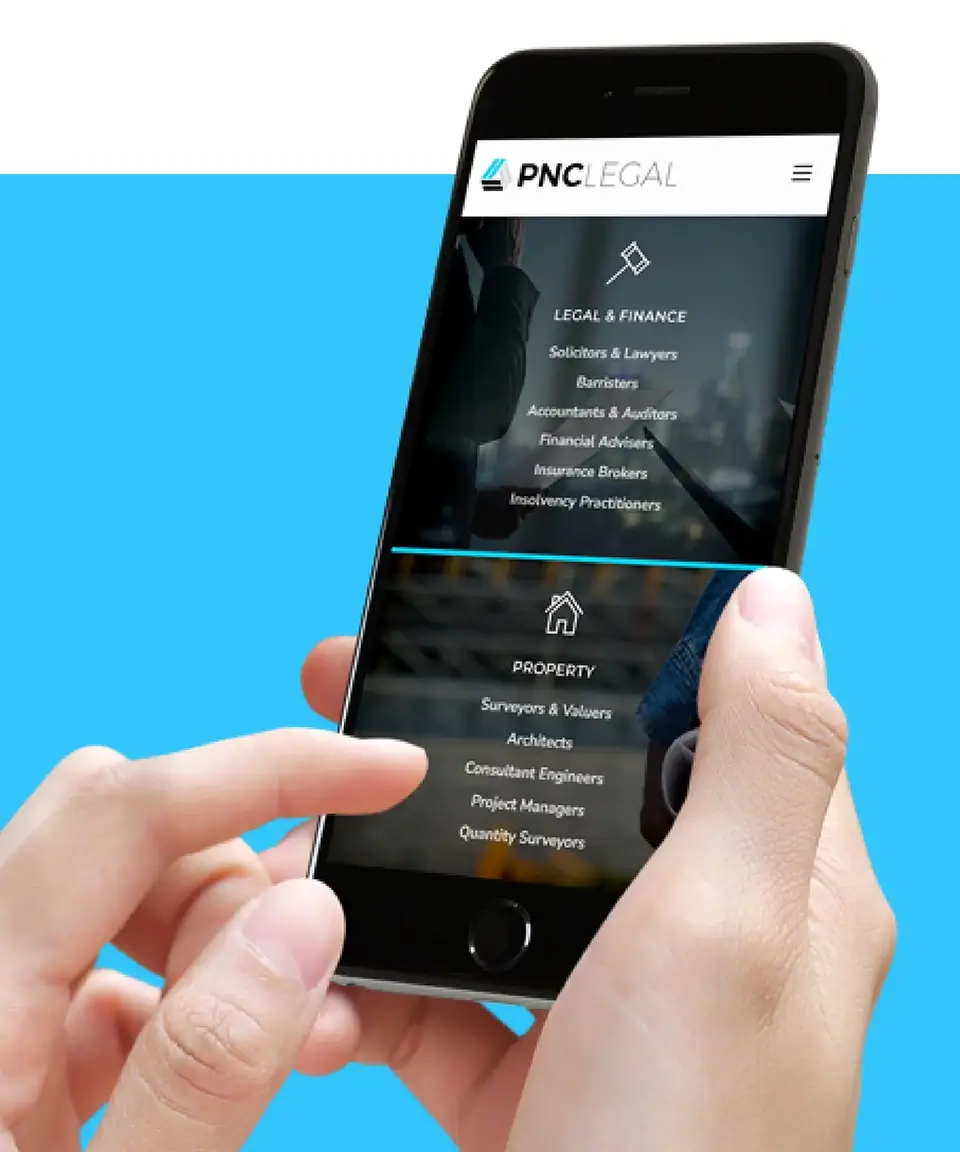
PNC Legal
6 weeks
For the Shopify website to be developed
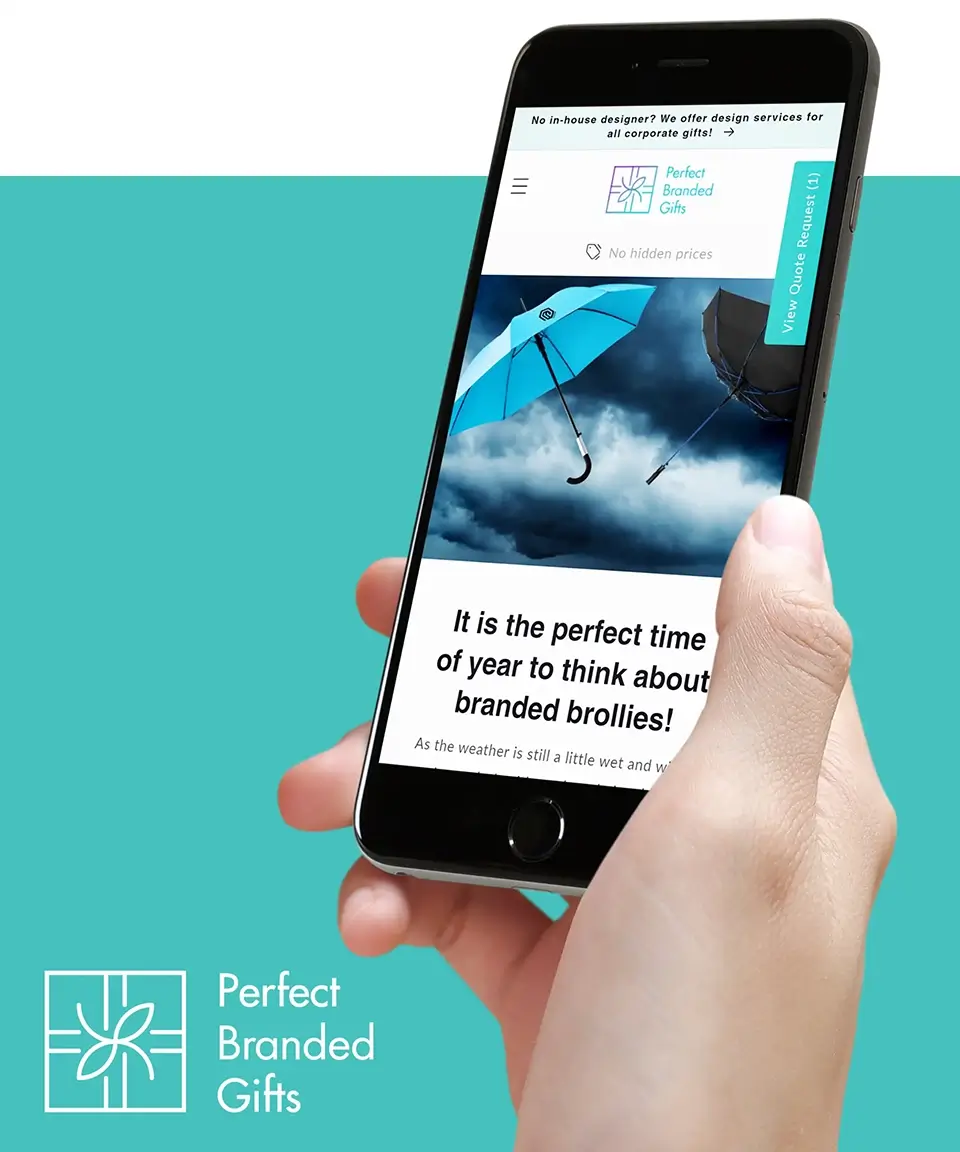
Perfect Branded Gifts
50K+
Customer accounts with one place for fleet tools
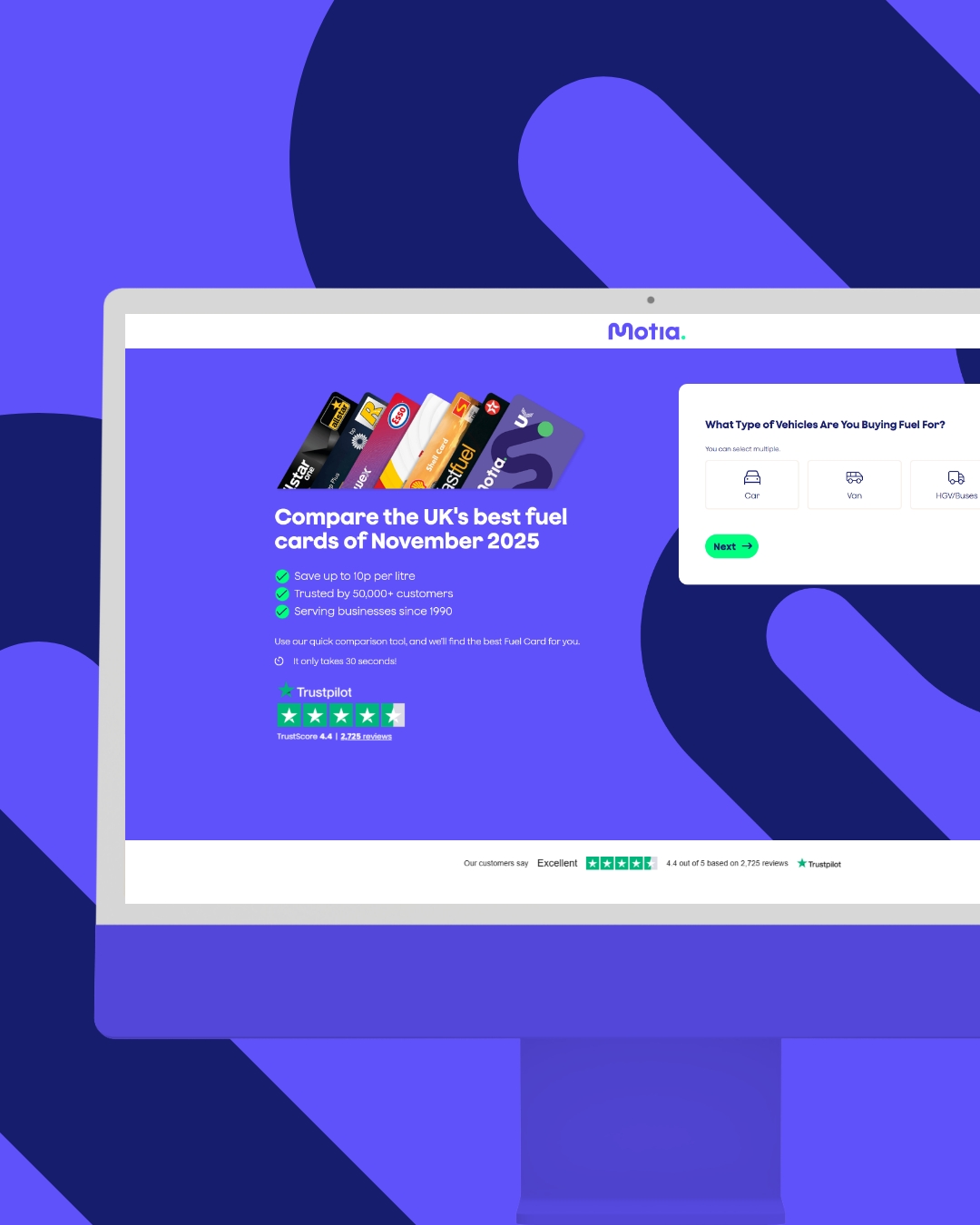
Motia
4
#1 keyword rankings
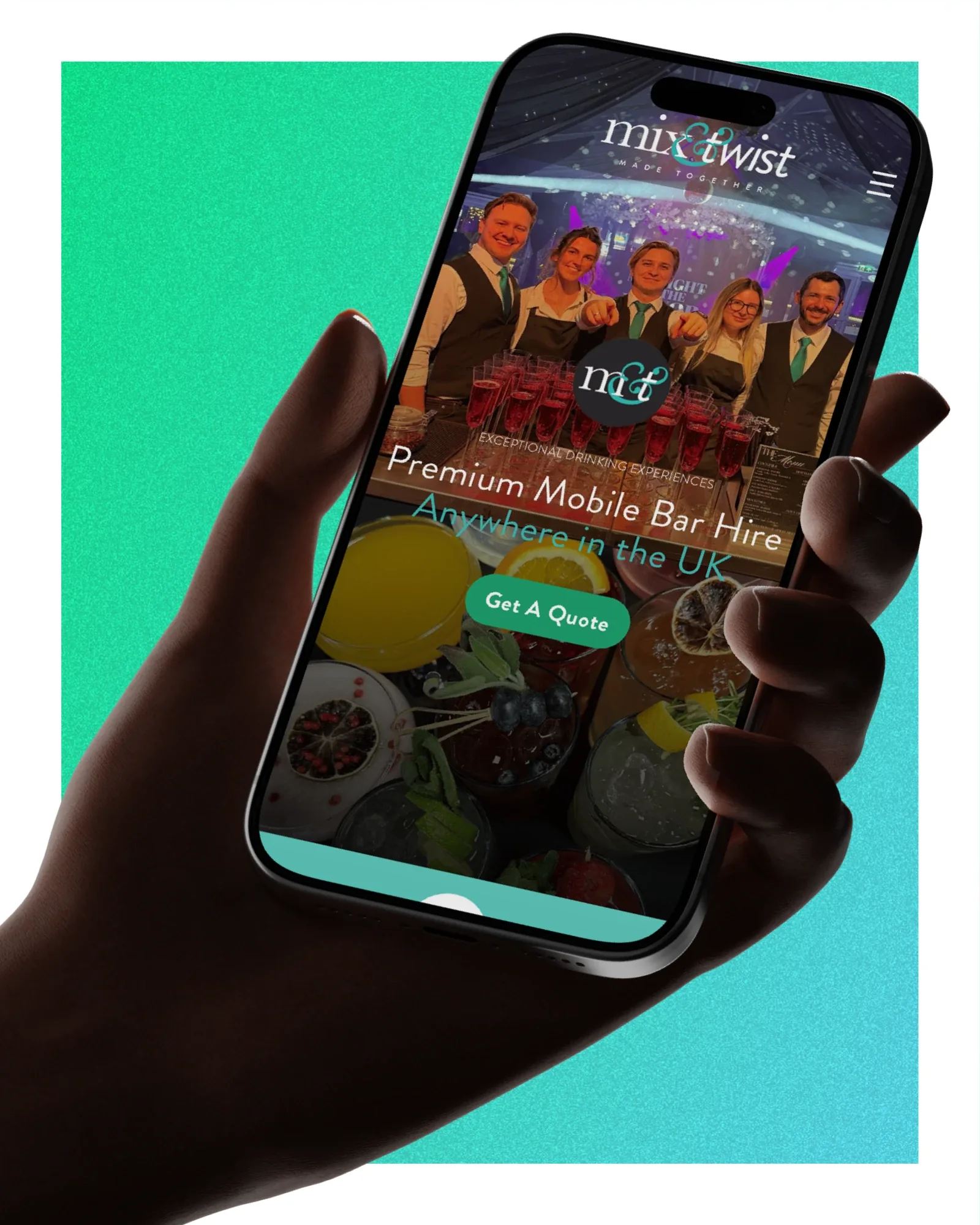
Mix & Twist
77%
Increase on YoY traffic
Melissa Salons
94.4%
Increase in organic traffic YoY
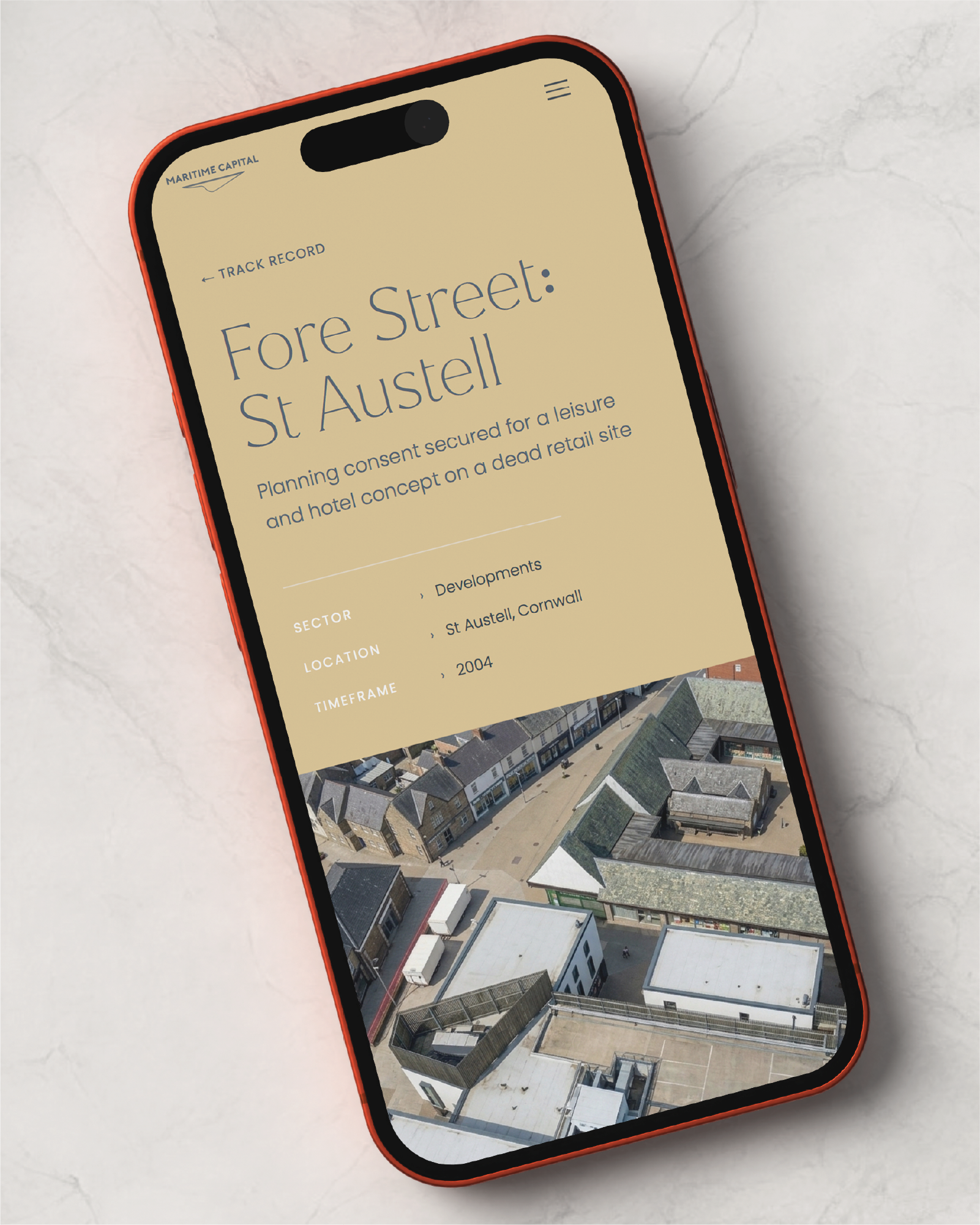
Maritime Capital
100%
Bespoke trade functionality
Magnet Kitchens
267%
Growth in revenue
Luxe by She
3
Audience routes: agencies, businesses and investors
Luciqo
93%
Increase in organic traffic
Leon & Company
3
Audiences, each with its own route through the site
Leeds Law Society
97%
Increase in conversions
HQ Dental
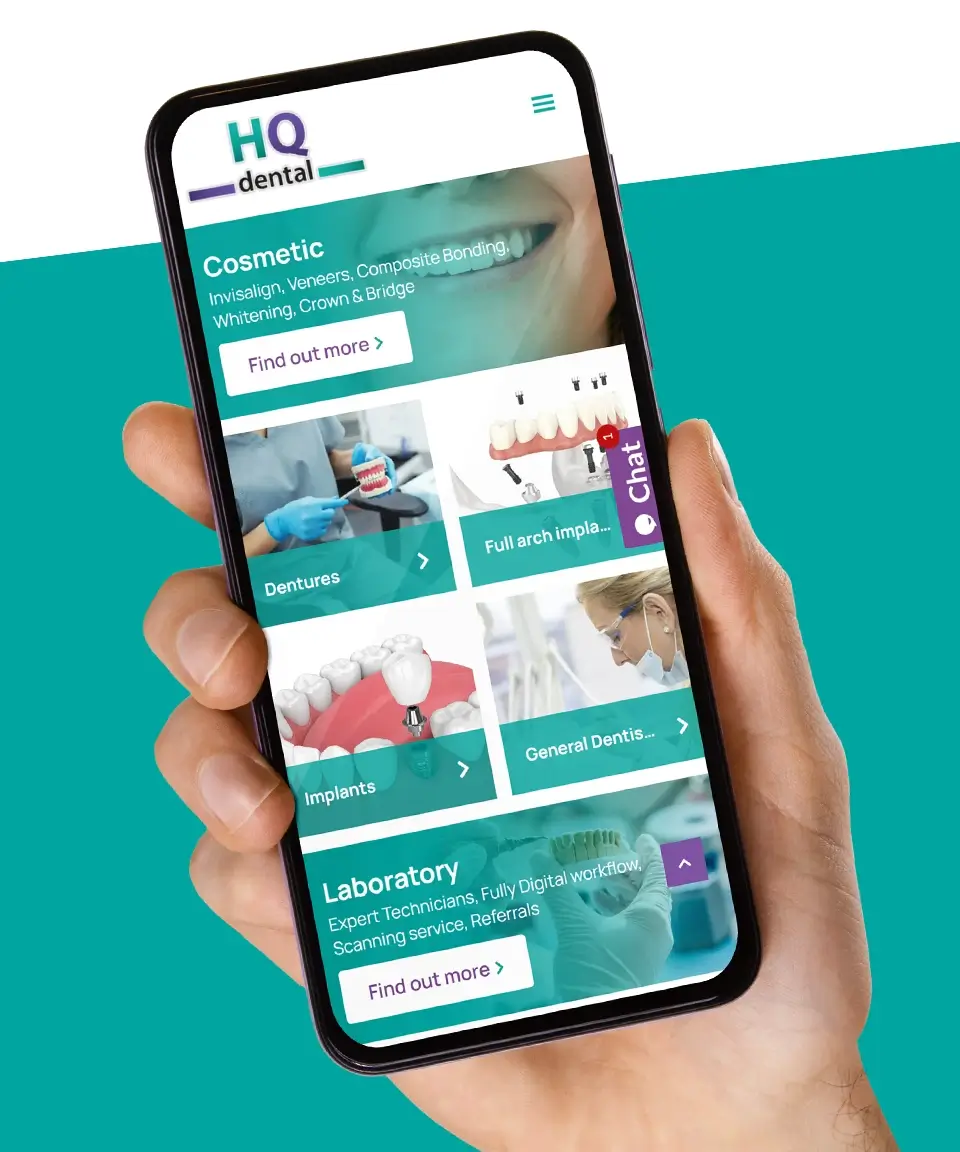
9
Countries using the app
Gripple
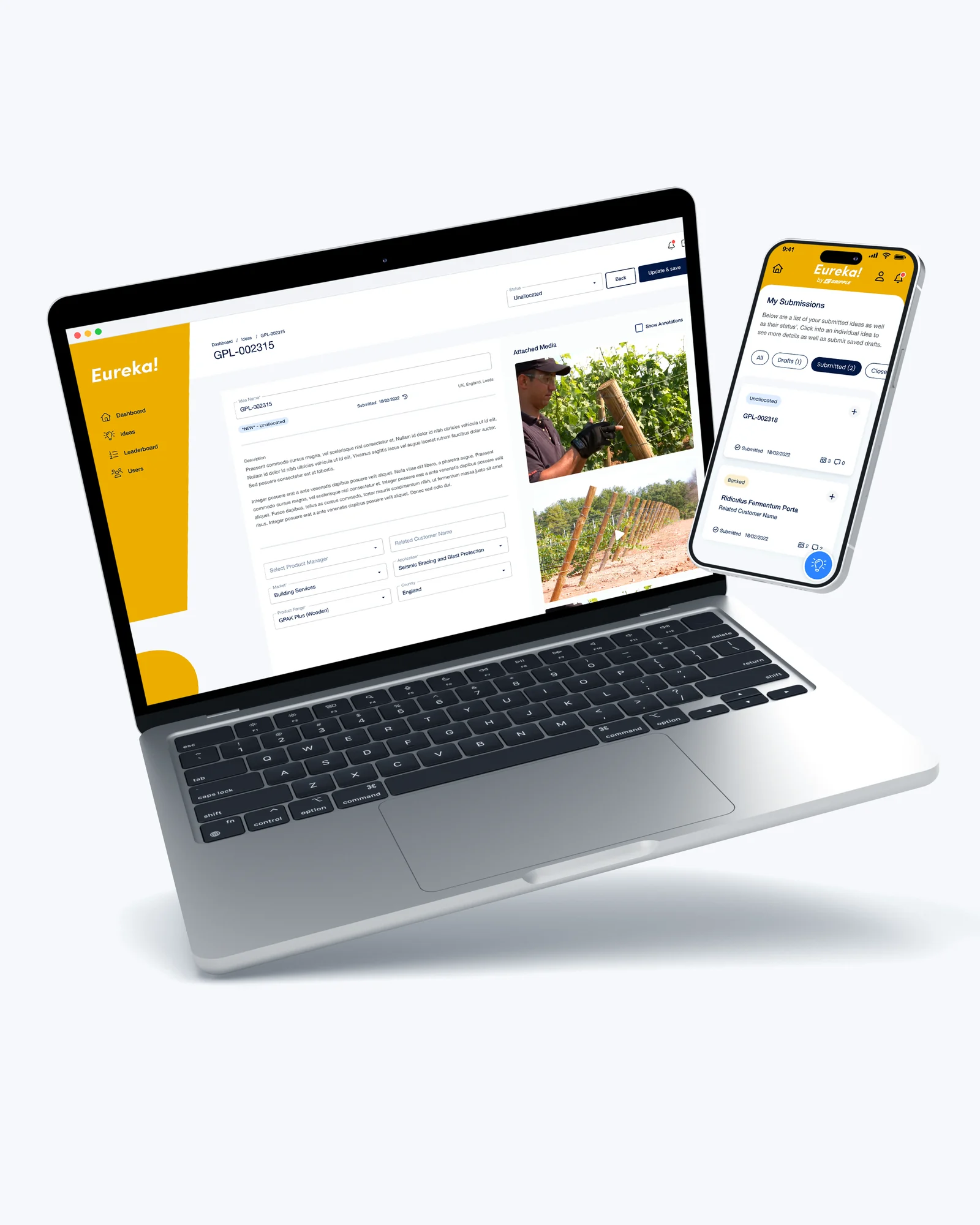
1.1M
Sessions from 100 countries
Goldsboro Books
100%
Successful order captures
Delifresh
1251%
ROI from email marketing
Deal4Doors
68%
Increase in revenue
Clocking Systems
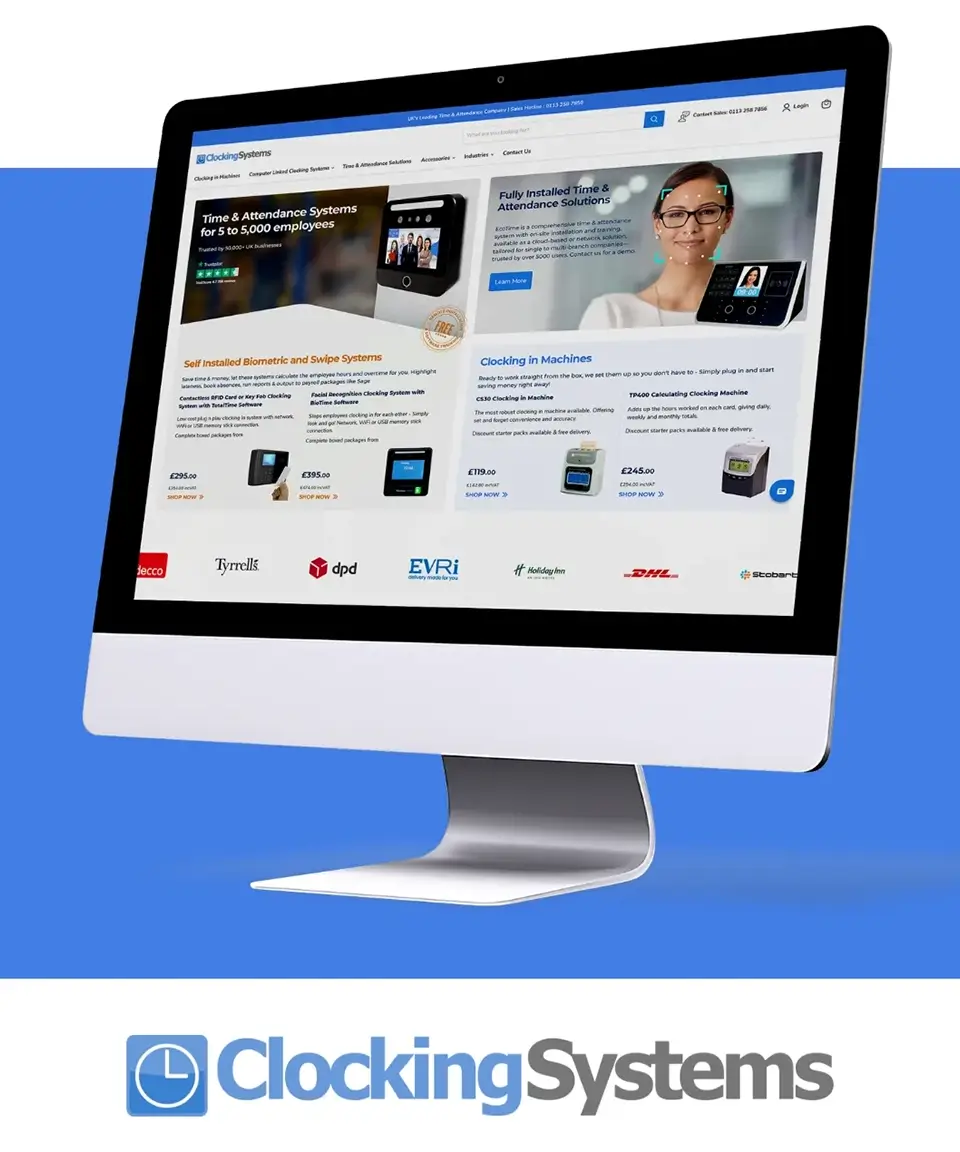
19%
Uplift from navigation redesign
ASHI Group Limited
5
Automated email flows, from welcome series to referral offer
Alicia Kite
56%
More visits from organic search, year on year
39 Park Square
12 weeks
From wireframes to launch
D55
100%
Bespoke solution
JCT600 VLS
£196K
Of new business won from 21 jobs
GME Group
Where does your data *get typed twice?*
The answer usually points to the gap between sales, delivery and finance.
A deal closes in the CRM, gets re-entered into a project tool, then re-entered again into accounts. Every hand-off is a chance for an error, and every error is found late. Meanwhile orders sit in personal inboxes, reports get rebuilt by hand each week and nobody is quite sure which spreadsheet is current.
A rebuild isn't always the answer. Most of the businesses we work with already pay for good software that isn't talking to anything else. The fix is a clear design for how those tools should share data, agreed before anyone writes an integration or buys a new licence.

HubSpot

Xero

Teamwork

Shopify

Microsoft 365

Zapier

n8n
- Three people believe the same process works three different ways
- Records re-keyed between CRM, project tool and accounts
- No single owner for customer, order or project data
- Paying for tools that aren't connected to anything
- Errors that only surface when a customer or the accounts team spots them
The intro line from System text is placed here by the page script.
Map the process *before touching the tools.*
Trace a real job
Workshops with the people who do the work
We run structured workshops with the people who do the work, not just the people who manage it. Together we trace a real job from first enquiry to quote to final invoice, noting every hand-off, every spreadsheet and every workaround.
It's common to find a process that three people believe works three different ways. Getting that into the open early saves weeks of building the wrong thing.
Agree who owns each record
A process map and a data model
The output is a process map and a data model: which system owns each record, which fields move between systems, what triggers each movement and who's responsible when something fails.
It's written so your team can read it, challenge it and sign it off. Nothing moves to the build until the people who run the process agree it describes how the business should work.
Connect what you already pay for
Design around the tools you already have
Our first move is to connect what's there. We only recommend replacing a tool when it can't do the job, and when that happens we'll show you why.
Where off-the-shelf software can't fill a gap, the design feeds straight into a Technical Specification for a custom build, and it's built for the AI Automation that comes next.
Phase the build
A roadmap with the quick wins first
We turn the target design into phases you can fund one at a time. The changes that remove the most re-keying for the least effort come first, so your team feels the difference early.
Each phase carries its own estimate, which lets you decide what to build and when, and to stop or reorder once you see the results.
Want to see what this could do for your business? Talk to us →
AI reads the paperwork. *People draw the map.*
We use AI to sort workshop notes, data exports and field lists so patterns show up faster. Our consultants decide how the process should run, design the data model and agree every change with your team.
- Workshop notes and recordings summarised for review
- Exports from your CRM, project tool and accounts checked for duplicate fields
- First drafts of process descriptions, rewritten by our team
- Every ownership decision and integration signed off by a person
Business system design *in detail.*
What a connected system looks like
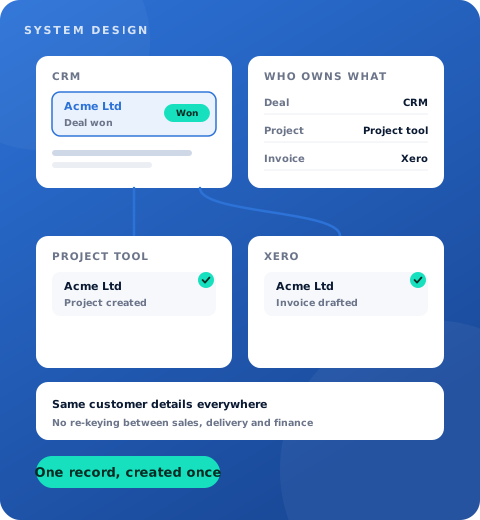
In a connected system each type of record has one home. The CRM owns the deal, Xero owns the invoice, the project tool owns the delivery schedule, and everything else reads from those sources rather than keeping its own copy. When a deal is won, the project and the invoice are created from it automatically, with the same customer details every time.
The tools we connect most often are HubSpot, Xero, Teamwork, Shopify and Microsoft 365. The design names every connection, what starts it and what happens if it fails, so problems are caught by the system instead of by a customer.
When connecting is enough
Schofield Sweeney already had HubSpot in place but wasn't getting the most from it. We started with a workshop on its existing processes and automations, mapped the current setup and our proposals in Figma, then rebuilt the event automations in stages. HubSpot now connects to Zoom and Microsoft 365 through Zapier, and six priority items were delivered over six months.
When an existing platform can be extended
Delifresh, a hospitality food supplier, took orders by email and voicemail, with emails landing in ordinary inboxes and voicemails handled by obsolete, unsupported software. We extended its Craft CMS website into an order capture system that brings both channels into one searchable, reportable process. The results: 100% successful order captures, 50% order reaction efficiency and a fully paperless order process.
When the gap needs a custom build
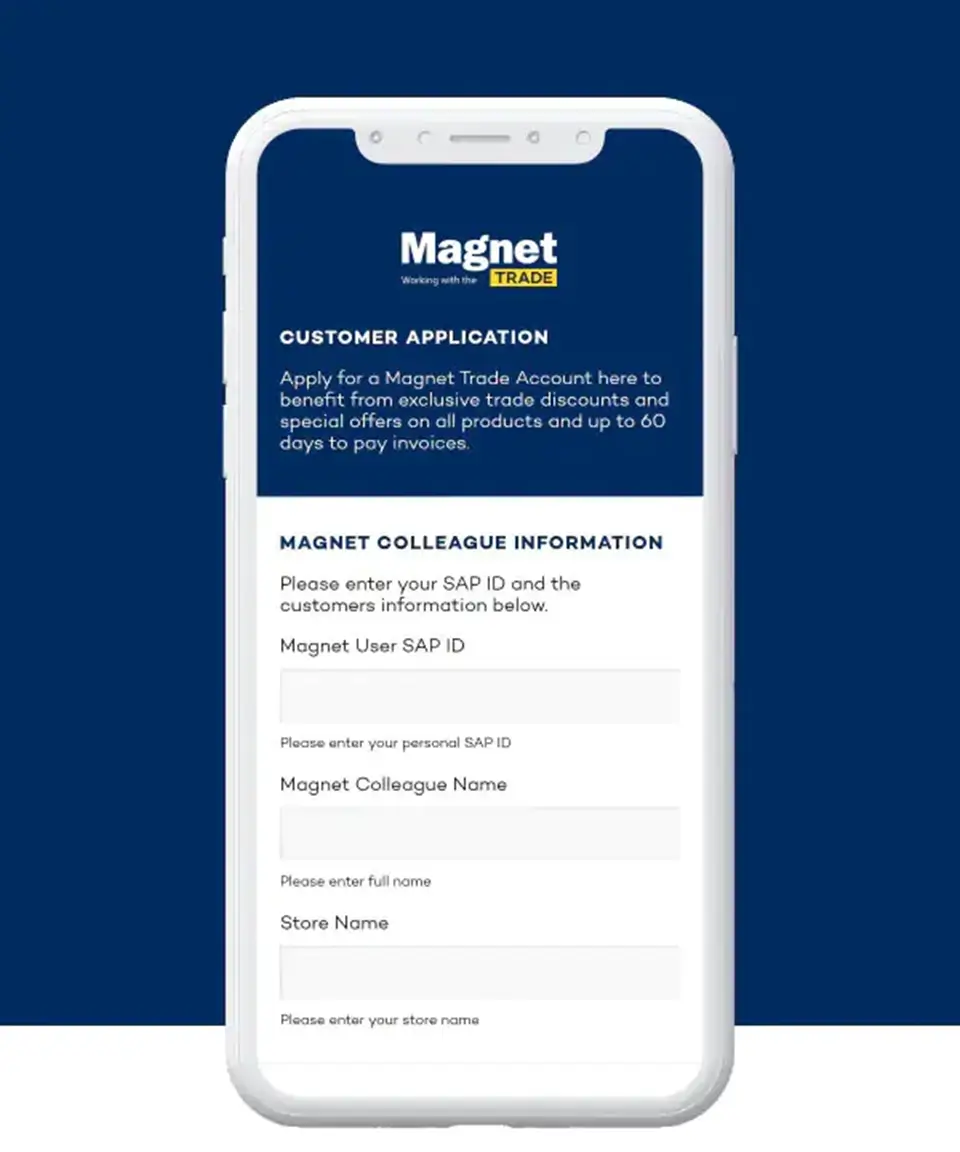
Magnet Kitchens signed up trade customers on paper across 200 showrooms, and applications took days. Starting from solution architecture and a technical specification, we designed a responsive application form whose validated details go to Experian over API for a credit decision, with follow-up emails sent through Marketo. Trade credit decisions that took days are now instant.
System design at work *for clients like you.*

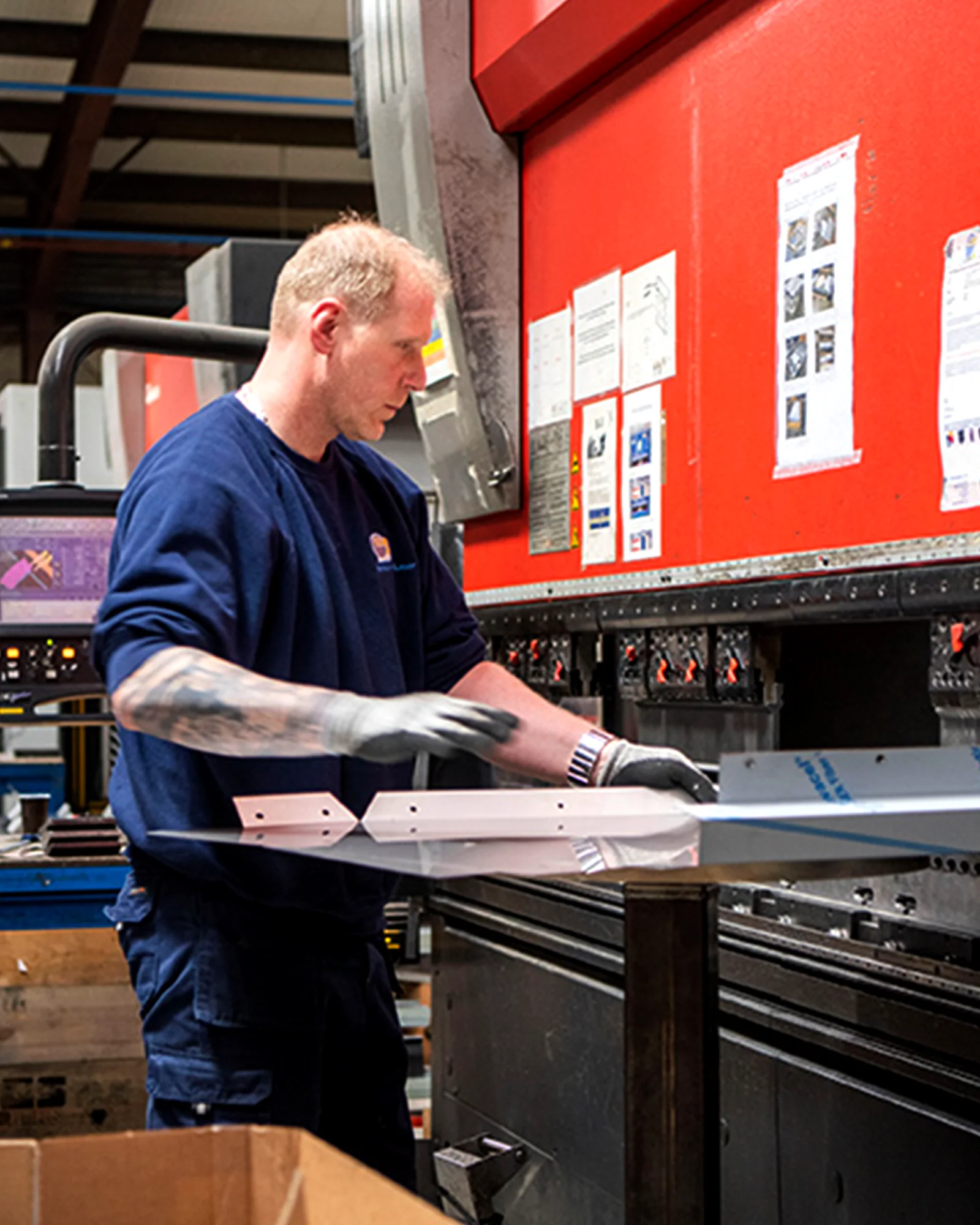












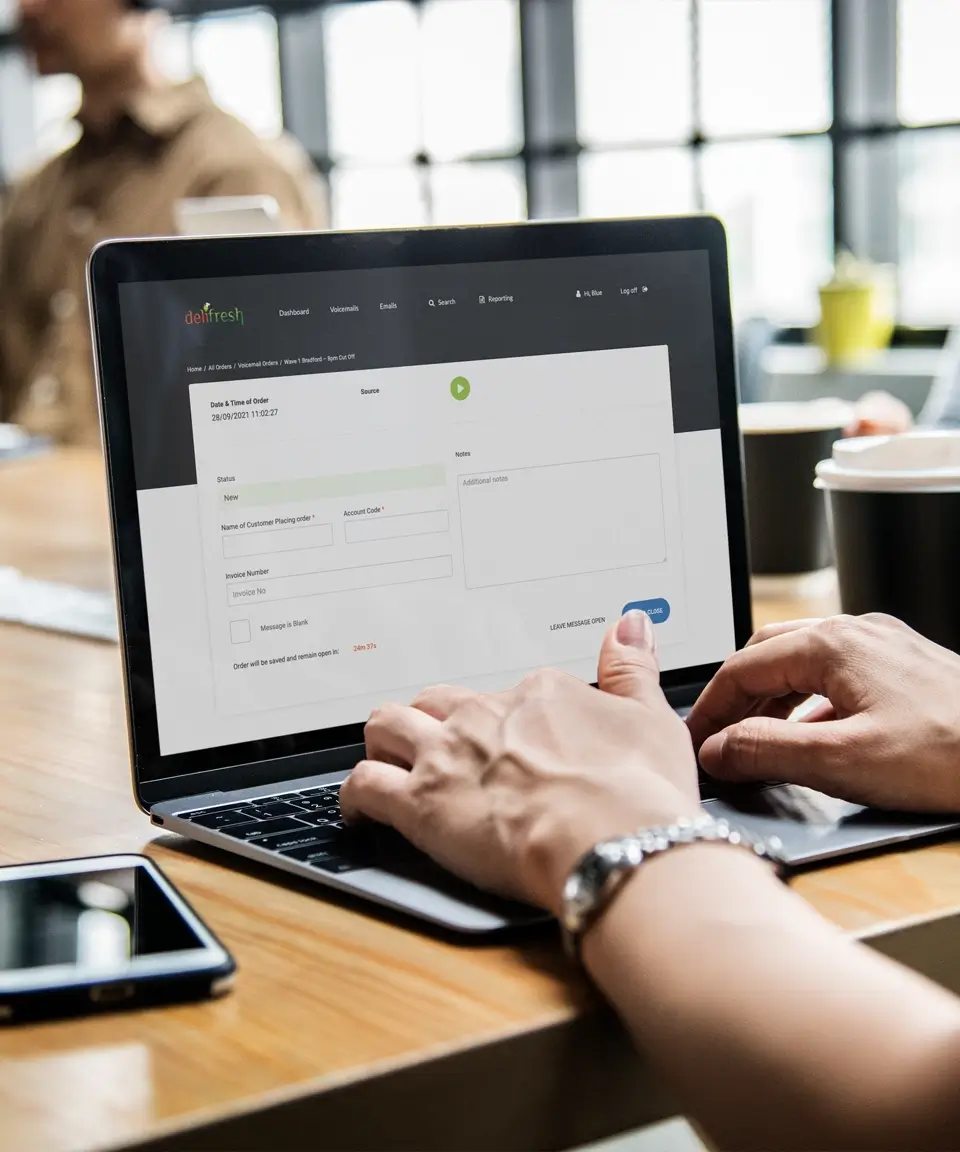



Implementing the new order capture platform that Ascensor created has undoubtedly streamlined our internal processing of orders, enabling faster integration, faster responsive search and most importantly less risk to this business-critical task. Fantastic ideas coupled with great people brings efficient and dynamic innovation even in the world of veg. Amazing work!

Robert Ramsden
Director
Delifresh
What you get
Intro
A defined piece of work, *with a clear output.* You can take the design to any supplier, though most clients choose to build it with us. 01 | Current-state map | A process map built with your team, showing how work really moves today. 02 | Target-state design | Which system owns which data, plus an integration plan listing every connection, trigger and fallback. 03 | Phased roadmap | Quick wins called out first, with a clear estimate for each phase.
Common questions *about system design.*
Not seeing your question? Tell us what you are trying to achieve and we will tell you how we would approach it.
How long does a system design project take?
It depends on how many teams, tools and processes are involved. A business with one sales pipeline and three core systems needs far less mapping than one with several divisions and years of workarounds. After a first conversation we agree the scope of the workshops and give you an estimate for the design phase before any work starts.
Will we have to replace our current software?
Usually not. Most gaps come from tools that were bought separately and never joined up, not from bad software. We look at what each system does well and connect it to the others first. If a tool genuinely can't do what the business needs, we explain the reasons and the options, and the decision stays with you.
Which systems can you connect?
Our regular list covers CRM, finance, project and ecommerce platforms such as HubSpot, Xero, Teamwork and Shopify, along with Microsoft 365, but the design isn't limited to those. Most modern business software offers an API or an integration platform such as Zapier, Make or n8n. Older or in-house systems can take more work, and the design phase is where we find out how much.
Can another developer build from your design?
Yes. The process map, data model and integration plan are written to be handed over, and they are yours to keep. Many clients choose to carry on with us for the build, but you are free to give the documents to an in-house team or put them out to tender.
How is system design different from a technical specification?
System design looks across the whole business: how work moves, which tool owns which data and where the gaps are. A technical specification goes deep on one piece of software that needs building. If the design shows a gap no existing product can fill, that gap becomes the starting point for a specification.
Who from our team needs to take part?
The people who handle the work day to day, from sales and operations to accounts, plus someone with the authority to sign off decisions. Front-line staff know where the workarounds are, and the decision-maker keeps the design moving. We plan the workshops around your diary so the business keeps running while we map it.
Talk to us
A few details is enough to start. We will reply to say how we would approach it.
Prefer to call? 0113 831 4400
Thanks, we have your enquiry.
One of our specialists will reply to say how we would approach it. Want to talk sooner? Call 0113 831 4400.
Works well alongside.
- AI automation Workflows that take the repetitive steps off your team.
- Technical specification A signed-off document for any custom build the design calls for.
- Software development Portals, internal tools and web applications where off-the-shelf software falls short.
- HubSpot agency A CRM set up to own the deal and feed the rest of the system.


